
Tech
The AI Buildout
Nvidia's Outlook Leaves Skeptics with Less to Argue
8/27/20268/28/2026
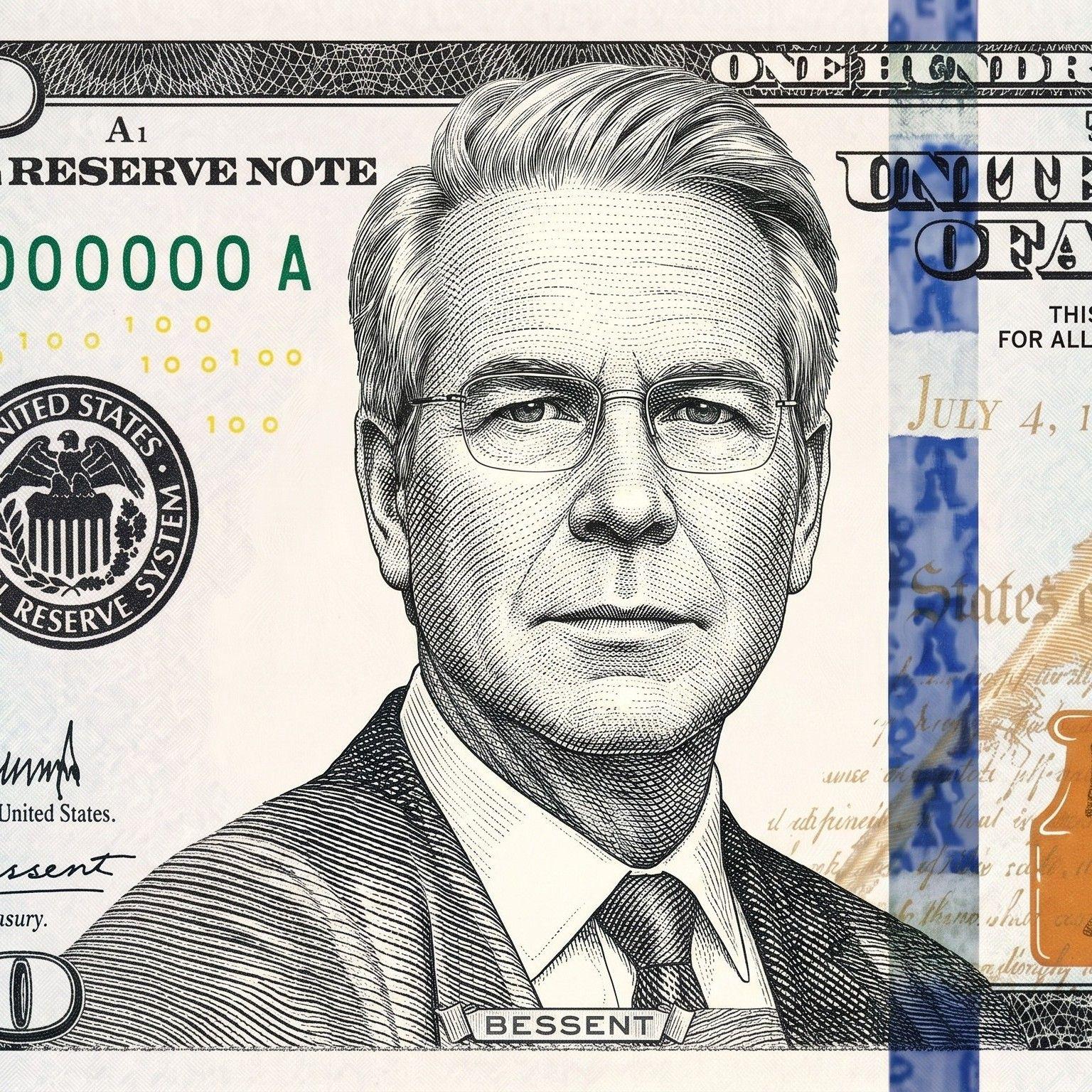
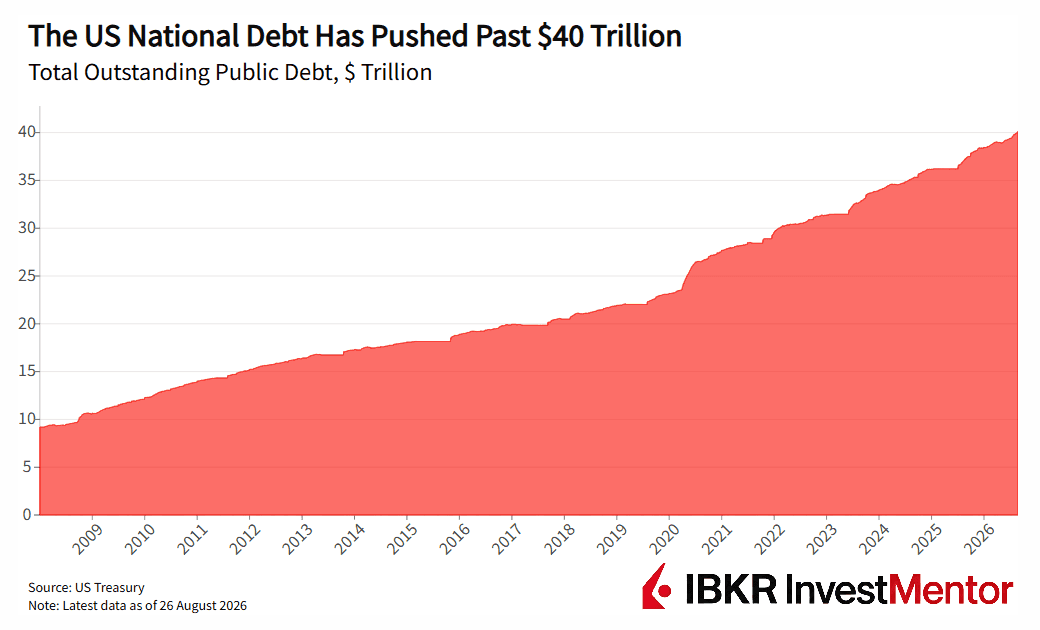
US Treasury Secretary Scott Bessent is openly taking on the markets while the national debt has hit $40 trillion. In recent weeks, Bessent has embarked on a series of unusual maneuvers, first propping up a foreign currency and then later buying back US treasuries to push down American borrowing costs.
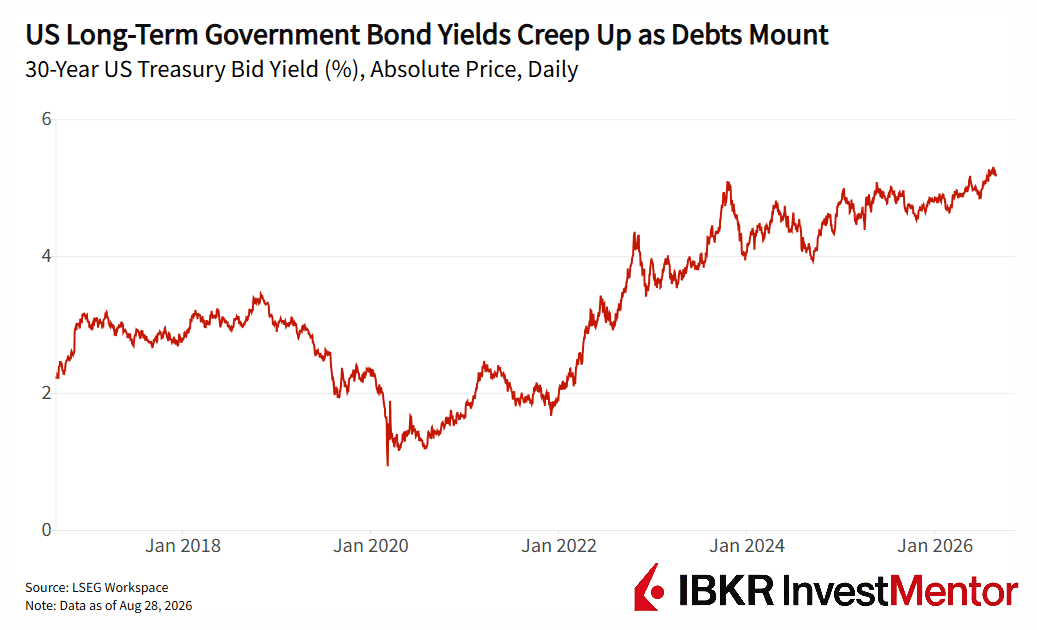
After the 30-year Treasury yield touched the highest level in 19 years in mid-August, his department said it would at least double purchases of government bonds maturing in 10 to 30 years, from $2 billion to $4 billion per operation.
Treasury buybacks can remove older, harder-to-trade bonds and keep the market running smoothly. But these latest moves are intended as market interventions, which are usually only exercised by central banks in a financial emergency.
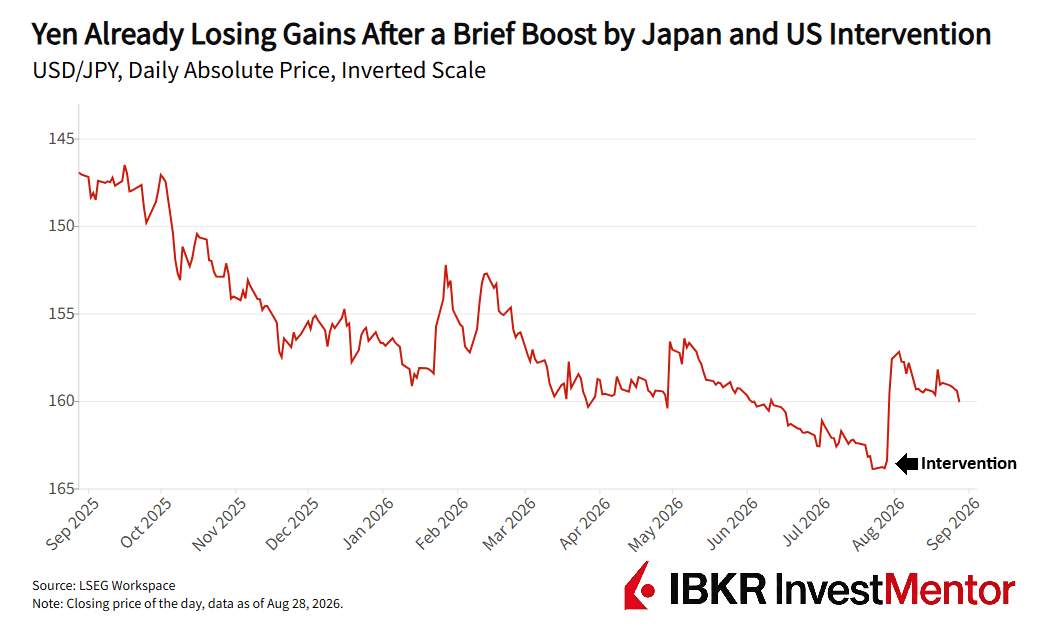
In July, the US joined Japan in buying the yen after the currency sank to near a 40-year low. Instead of dollars, Washington sold euros from its reserves and bought yen.
The US likely got involved due to fiscal self-interest. Japan held over a trillion dollars’ worth of US government bonds at the end of May, making it the largest foreign holder. A Japanese sell-off could have pushed American yields higher.
Bessent has now intervened in two markets with links to US borrowing costs:
Bessent has also intervened in the warfare in the Middle East. His newly expanded Iran sanctions threaten to isolate banks, businesses and countries that continue to deal with Tehran.
This is largely targeting China, which buys roughly 90% of Iran’s oil and rejects unilateral US sanctions.
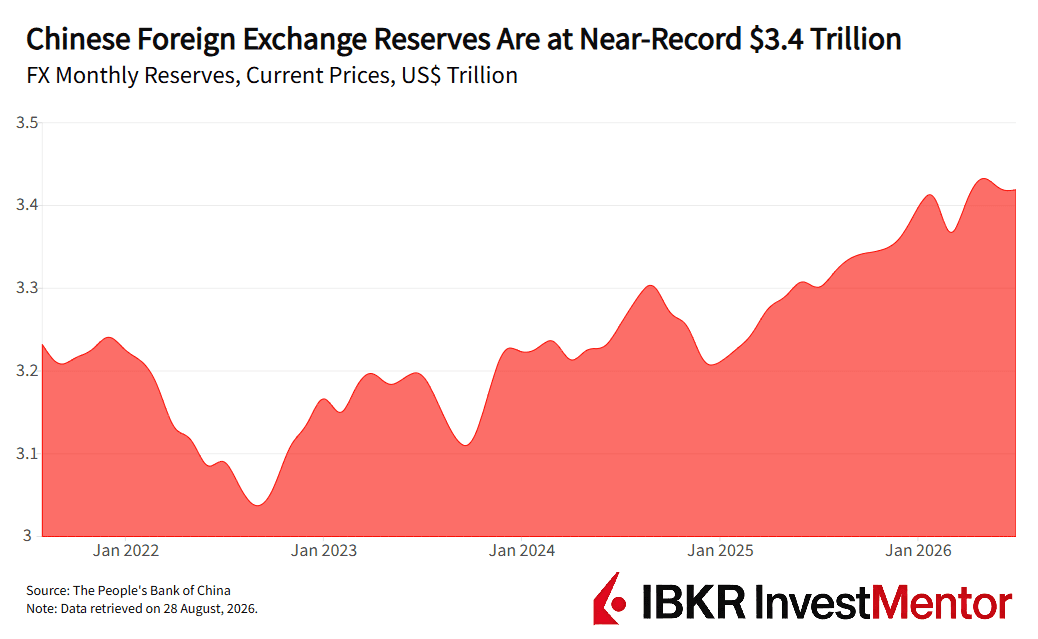
But this fits awkwardly with the interventionist strategist in the bond markets. China had over 3.4 trillion in foreign-exchange reserves in May, the world’s largest stockpile. A big chunk of this is estimated to be in dollars. China also remains a major US creditor, with government bond holdings of about $630 billion in June, according to the US Treasury. That latter number has been shrinking, but China remains the third-largest foreign creditor to America.
Bessent’s faith in government intervention comes with historical irony. He was a fund manager for George Soros, whose firm made more than $1 billion betting against sterling in 1992. The UK spent billions defending the pound against currency traders before withdrawing the currency from Europe’s exchange-rate mechanism. Soros earned the moniker “the man who broke the Bank of England.”
Bessent later helped Soros’s fund make more than $1 billion betting against the yen, too. Now he deploys public money against bond vigilantes who think US Treasuries should yield more.
But there’s brutal math behind the bond sell-off. If a government runs persistent deficits, it must issue more debt. Inflation erodes the future value of those bonds, while a growing US debt pile forces investors to absorb ever more Treasury issuance. The result: investors demand higher yields to compensate for the growing risks.
Wait, why isn’t the Federal Reserve leading the American bond-buying efforts?
Three months into the job, Fed Chair Kevin Warsh has the opposite instinct. He has fiercely criticized modern central bankers for focusing too much on market moves. He believes large-scale asset purchases should only be reserved for acute financial emergencies.
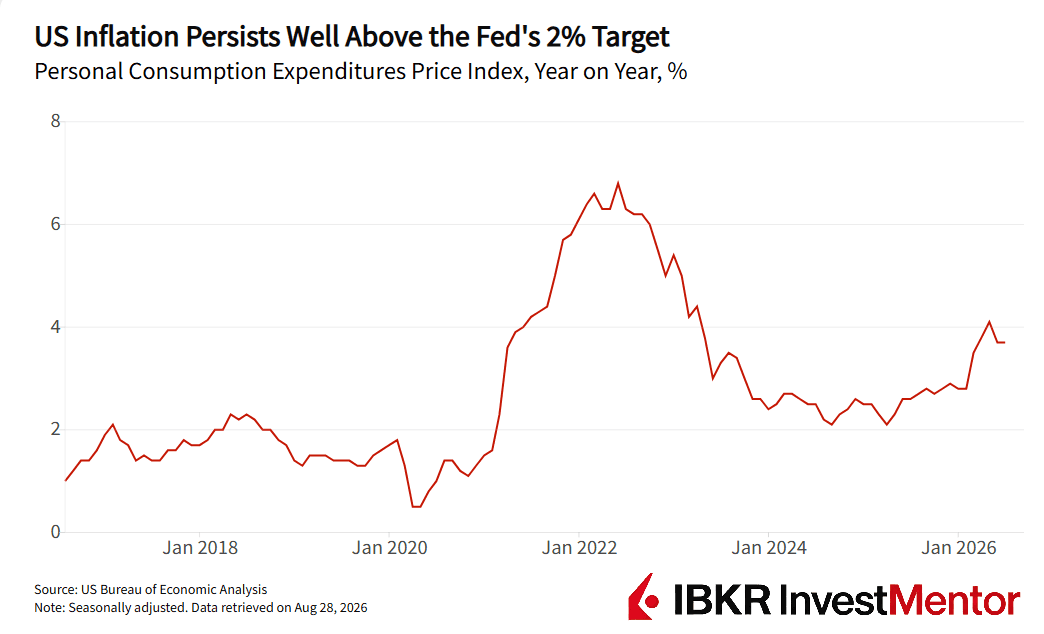
At the central bankers’ summer summit in Jackson Hole on Friday, Warsh hinted at raising rates, saying the Fed has “work to do” if inflation isn’t calmed. Consumer prices rose 3.7% in July year on year, well above the Fed’s 2% target. Buying Treasuries would lower yields and loosen financial conditions — the opposite of what the Fed wants.
So, the US Treasury and the Fed are in a tug of war. But what’s actually pushing yields higher?
Unless Washington eventually spends less, taxes more, or produces unusually strong growth, bond investors keep setting a price for that failure.
Want to explore more? Download our free app to unlock expert news updates and interactive lessons about the financial world.