
Economy
Prices Still Bite
US Data Gives Fed Little Reason to Soften
6/26/20266/29/2026
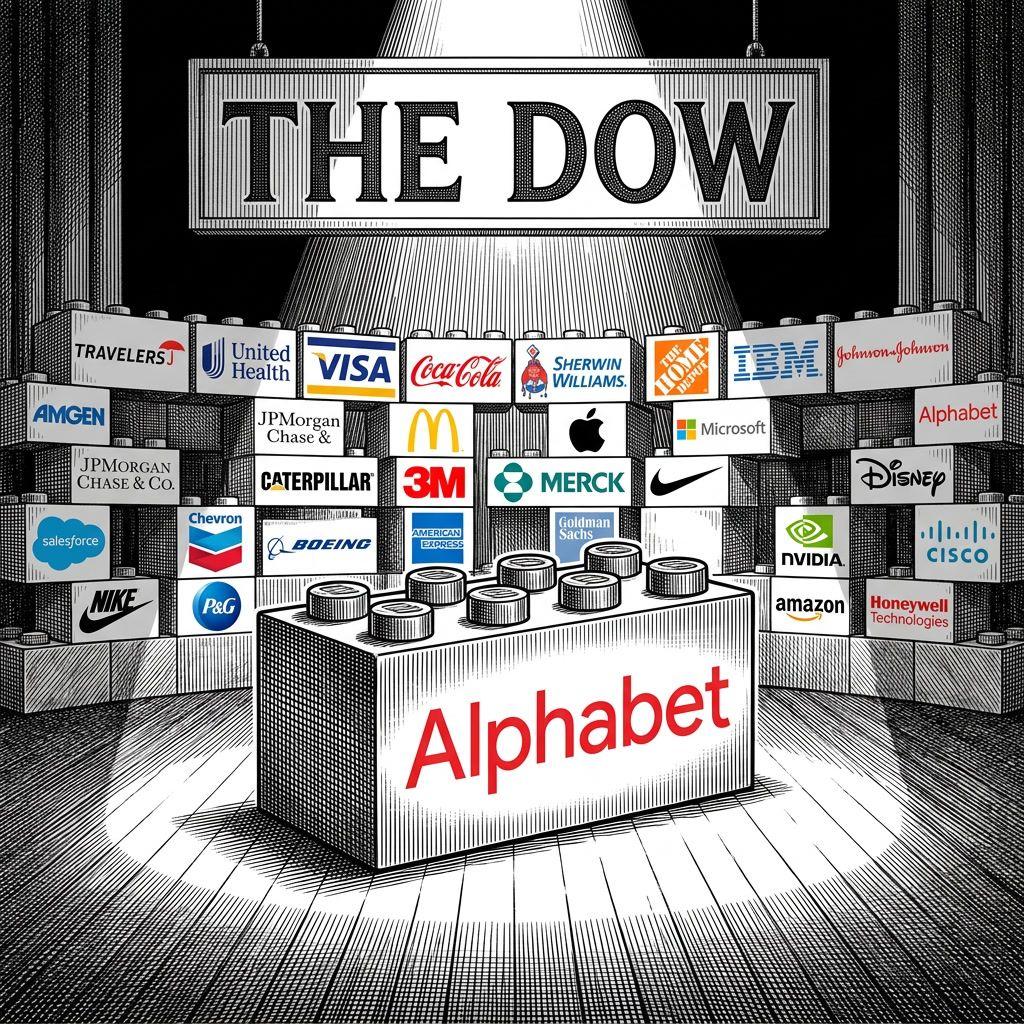
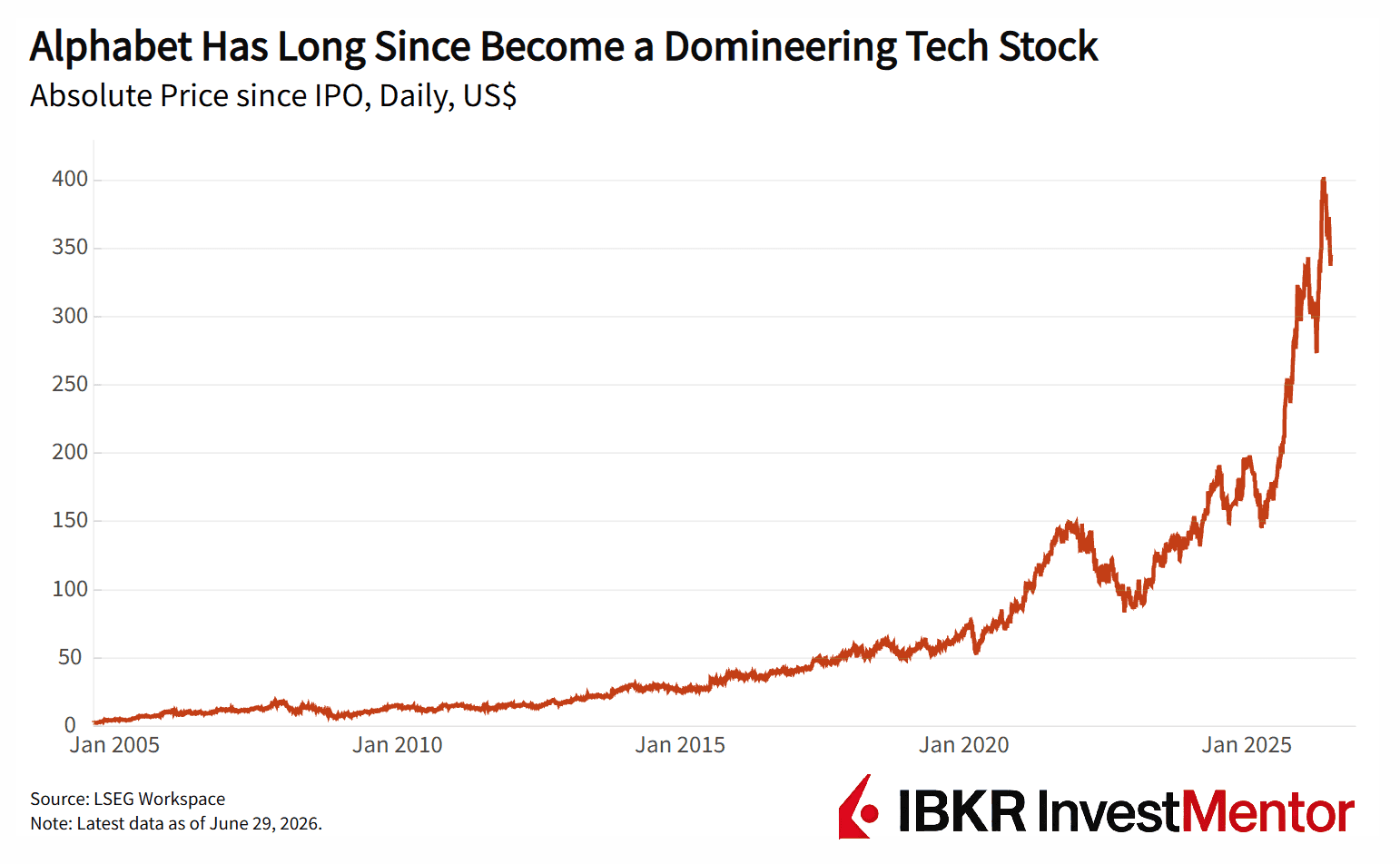
Alphabet officially joined the Dow Jones Industrial Average on 29 June, replacing telecom firm Verizon. Better late than never. Google’s parent is worth over $4 trillion and has been a dominant force for two decades. It first became the world’s most valuable company in 2016, and has rotated in and out of that top spot ever since.
Alphabet now joins Nvidia, Apple, Microsoft, Amazon, and Salesforce inside the 30-stock index, making the Dow a touch more representative of the tech-heavy US stock market. The move pushed Alphabet shares up about 1% after the announcement.
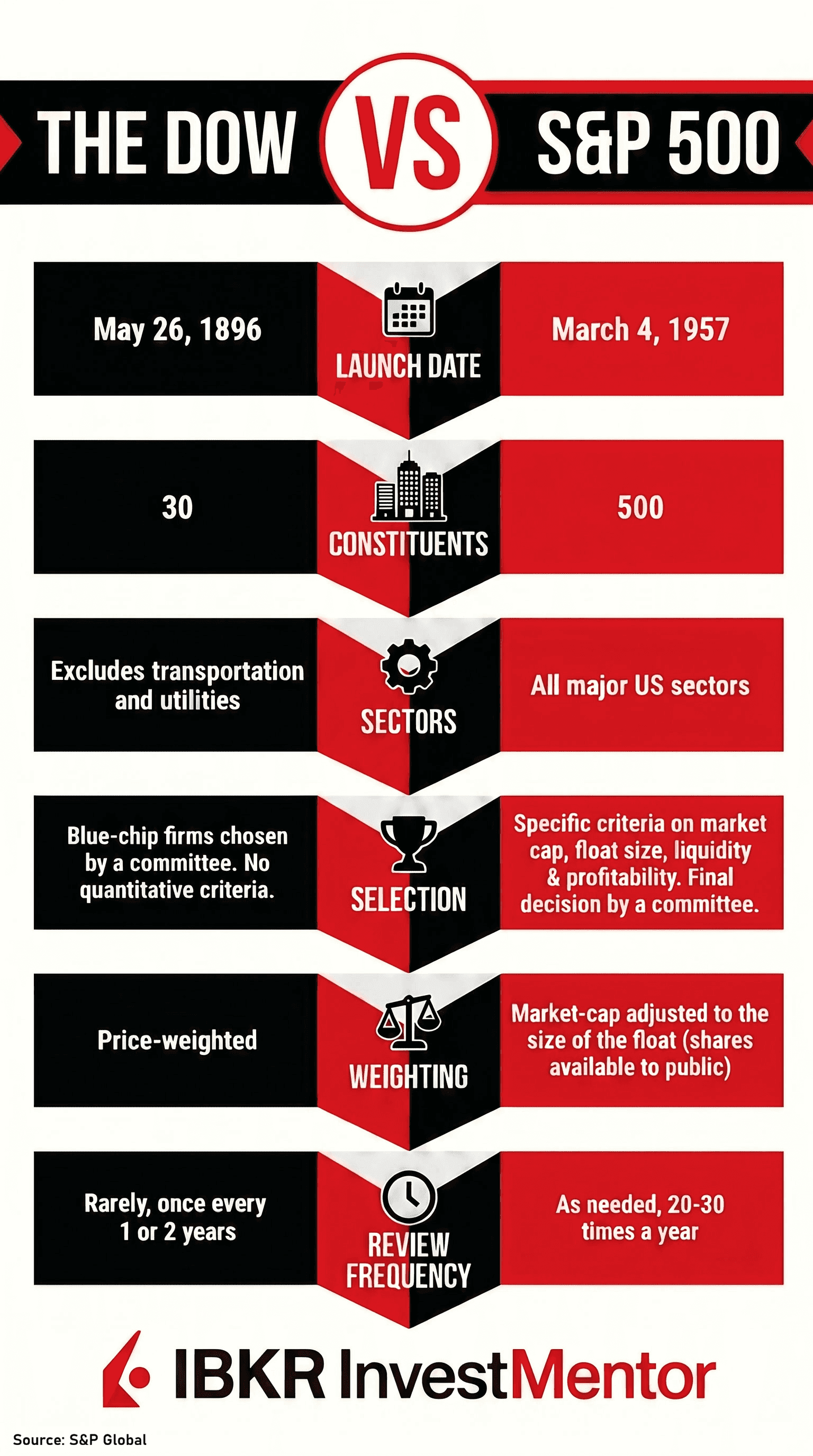
The modest reaction shows how Dow has become more of a time-honored Wall Street symbol than a market-moving stock index, like its more influential counterpart S&P 500.
Dow’s explanation of why Alphabet is replacing Verizon (market cap around $190 billion) sounds like the understatement of the year:
“Its larger market capitalization and share price, together with the breadth of its businesses, make it a more representative Communication Services constituent in the DJIA.”
But there’s also a clue there on why it took so long. The Dow attempts to represent the entire US economy, instead of being just another index dominated by tech. Alphabet was finally included as a communications stock, not an IT one.
The Dow lacks the impact of the S&P 500. There’s only a single exchange-traded fund, the SPDR Dow Jones ETF (valued at about $45 billion), that tracks the index. S&P 500 has around $3 trillion worth of funds tracking it.
Most indices weigh companies by size. For historical reasons, the Dow weighs them by share price. This leads to weird situations like Goldman Sachs being the biggest constituent, representing 12% of the index just because buying a single GS stock costs over $1,000.
Alphabet has gone through a couple stock splits to keep its shares affordable. That’s why you could buy a single stock for $335 on Monday. But that also means, Alphabet has a modest role on the Dow even though it’s a much bigger company than Goldman.
What this move does signal is a changing market hierarchy. The Dow was built in 1896 to track industrial giants. Today, its newest member runs search engines, cloud services, AI models, and a video platform.
Historically, the Dow has been a lagging indicator, hopping on trends only after they have peaked. The rapid pace of technological advancement has made this even more apparent.
If the Dow is so flawed, why does everyone still quote it alongside the S&P 500 and the tech-focused Nasdaq Composite? At 30 blue-chip stocks and 130 years of history, the Dow is simple and familiar. Financial media still leans on it, even if it no longer offers the clearest view of the market.
Want to explore more? Download our free app to unlock expert news updates and interactive lessons about the financial world.