
Tech
AI Splurge
Big Tech’s $700B AI Splurge Stimulates the Global Economy
4/30/20265/5/2026
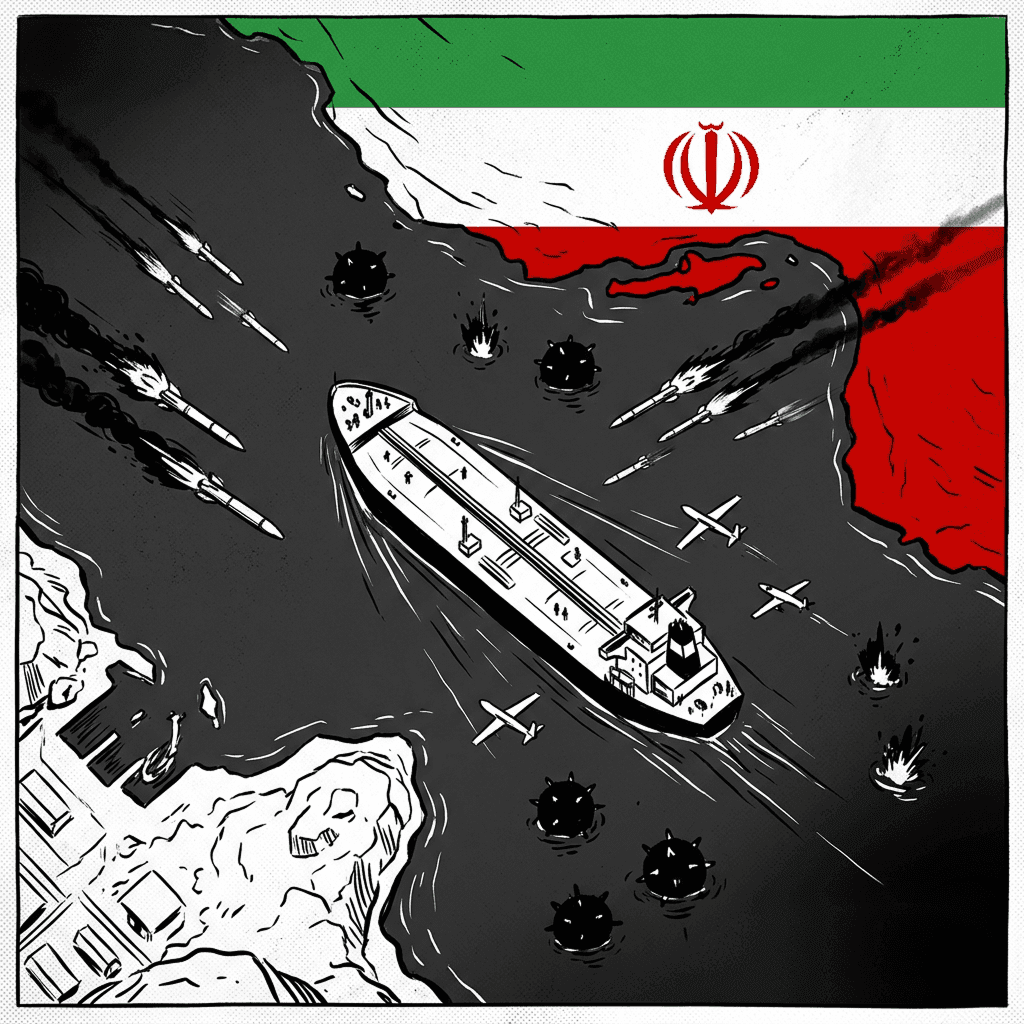
The US has paused its naval mission to escort vessels through the Strait of Hormuz, the world's most important shipping route for oil. This was less than two days into the mission, which the White House dubbed “Project Freedom”.
This latest de-escalation is supposed to give the US and Iran time to negotiate, with the White House reportedly preparing a one-page framework for peace. Oil prices fell on the news, but markets are in a wait-and-see mode as U-turns have become commonplace.
Four weeks after a ceasefire was announced, the Gulf has still seen live fire frequently. The US and Iran have exchanged attacks at sea, both insisting they haven’t crossed the line back into full‑scale war.
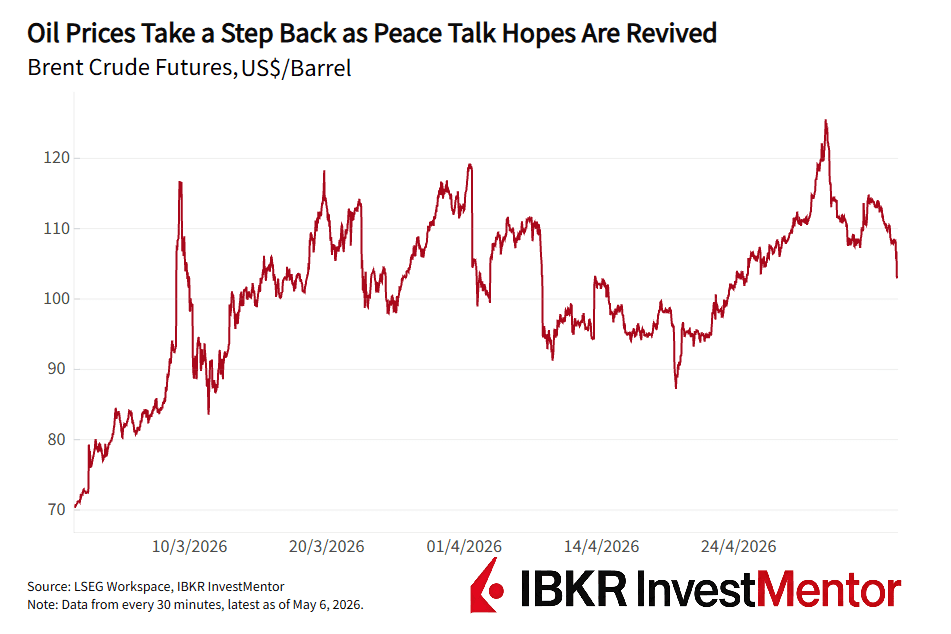
The effective closure of the Strait of Hormuz since late February has triggered what the International Energy Agency calls the “largest supply disruption in the history of oil markets.” The oil markets have zigzagged, with hopes and fears driving the prices.
In the last week of April, global oil benchmark Brent briefly hit the new wartime high of $126 per barrel. On Wednesday, it had eased to $103, but was still more than 40% above the pre-war levels. More than 10 million barrels a day (about a tenth of the world's consumption) are lost as long as the strait remains impassable.
A fifth of the world’s oil and liquefied natural gas ships through the waterway in normal times, alongside fertilizers and other chemicals. Roughly 1,000 commercial vessels with 20,000 crew are stuck inside the Gulf.
Next to $100+ oil, the stock market has been strangely calm. S&P 500, the most-followed US stock index, is hovering near all-time highs. But there are reasons behind the resilience.
Markets aren’t ignoring the war, but oil does not quite have the standing it once did in the global economy.
While the refocus on the peace talks is positive, the conflict has had a scary twist: Iran published a map claiming expanded maritime control that reaches along large sections of the UAE coastline — including Fujairah and Khorfakkan. Those ports sit on the Gulf of Oman and have been the UAE’s workaround route when Hormuz is blocked.
Fujairah was hit this week, causing a fire at the port. UAE officials called it a serious escalation and said they reserve the right to respond. If Iran can credibly threaten access to those “bypass” ports, the UAE faces something close to a maritime siege, not just spillover.
Just days before the crisis deepened, the UAE formally exited Opec, the oil producers’ cartel known for coordinating supply to stabilize prices. Abu Dhabi said it wants more freedom to pump and invest outside quota rules.
Opec’s internal turmoil comes as shipping routes and facilities are under attack by Iran, one of its key members. All this makes it difficult for the group to play its normal role as a market shock absorber.
In the long term, this may shift more pricing power toward the US, where oil production responds to market forces rather than political coordination.
Want to explore more? Download our free app to unlock expert news updates and interactive lessons about the financial world.