
Consumers
Buy-Now Trap
Swipe Now, Sweat Later
3/6/20263/6/2026
The Iran conflict has turned wide stretches of the Middle Eastern sky into no‑go zones. Dubai, Abu Dhabi, and Doha — normally busy tourist and business travel hubs — are running at a fraction of normal traffic.
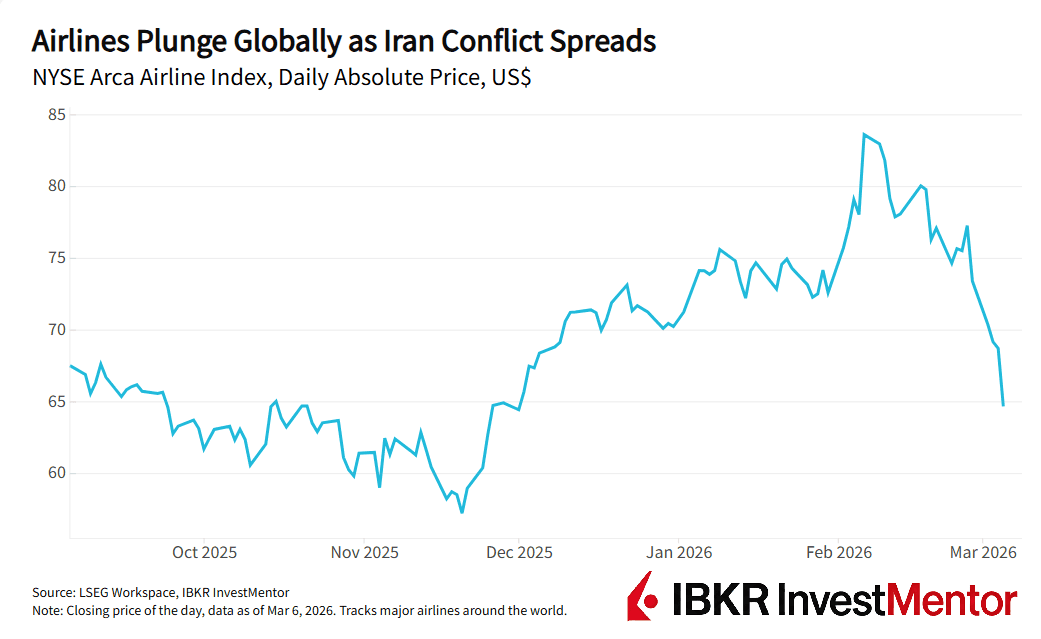
Governments are chartering emergency flights and buying up seats on the commercial services still operating. Demand for private jets has surged as wealthy individuals look for an escape. Airline stocks have plunged.
One of the sharpest global aviation shocks in years has already led to more than 20,000 cancelled flights, and many more have been rerouted.
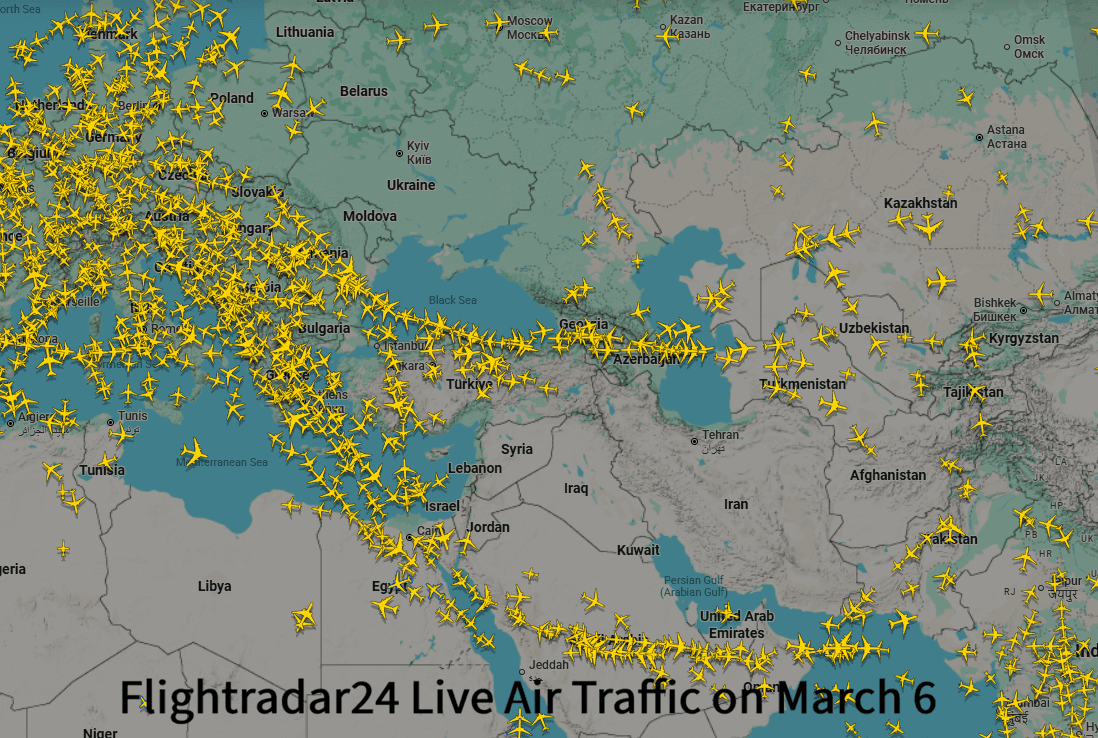
When airspace closes somewhere, planes have to fly around it. That’s where the jet fuel and money burn.
All of that gets baked into plane tickets, which is why some March flights, especially between Europe and Asia, have increased manifold in price.
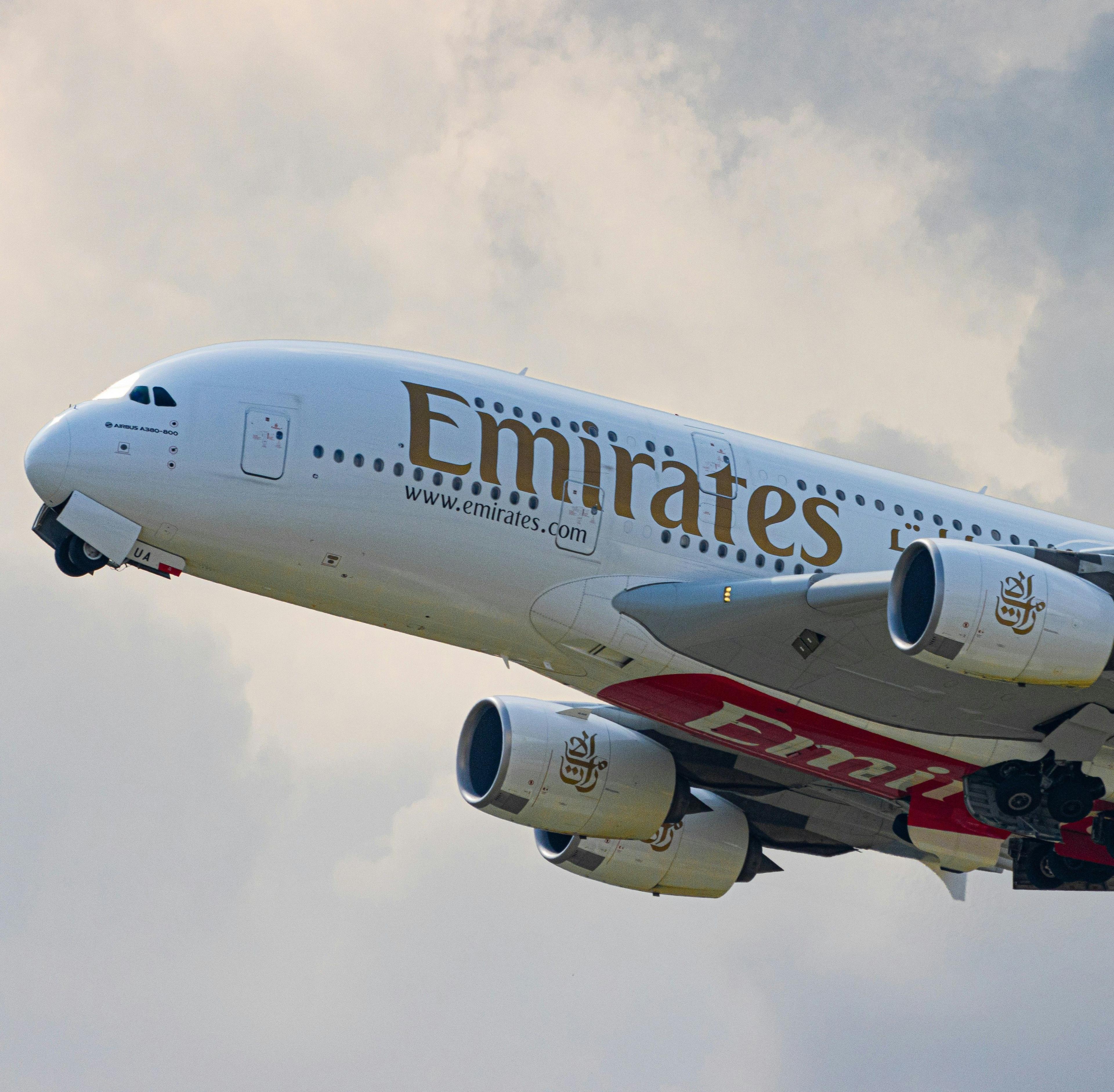
Gulf carriers like Emirates, Etihad, and Qatar Airways usually move a huge share of Europe–Asia and Europe–Australia traffic. Now they’re running limited schedules through narrow “safe corridors.” Dubai airport, the world’s busiest international hub, is gradually adding more flights, but it’s still operating at a fraction of its usual volume.
The Emirates tourism machine is reeling. Luxury malls and beach resorts are empty, and influencer content looks more like war reporting. Fewer flights mean fewer visitors and less spending. And with the conflict spreading, it will take a while before people will feel safe to return.
German carrier Lufthansa posted stronger‑than‑expected profits, helped by tighter cost control and newer, more efficient planes. But its CEO warned that the Middle East war shows how exposed aviation still is. Oil benchmark Brent crude has now climbed past $90 a barrel — roughly a 26% jump since the US airstrikes began.
To manage these swings, airlines use hedging, usually through futures contracts that lock in fuel prices months ahead. Lufthansa says it has fixed the price for about 80% of the fuel it expects to use this year, meaning most of its costs won’t rise immediately with the market.
Hedging softens the blow of sudden spikes, but only for the portion of fuel that’s been pre‑bought. The rest gets hit by today’s higher prices.
Airlines used to be glamorous, but low‑cost rivals and constant shocks have turned the sector into one of the toughest to invest in.
Want to explore more? Download our free app to unlock expert news updates and interactive lessons about the financial world.