
Markets
Air Risk
Why Plane Makers Can Be Turbulent Investments
12/1/202512/3/2025
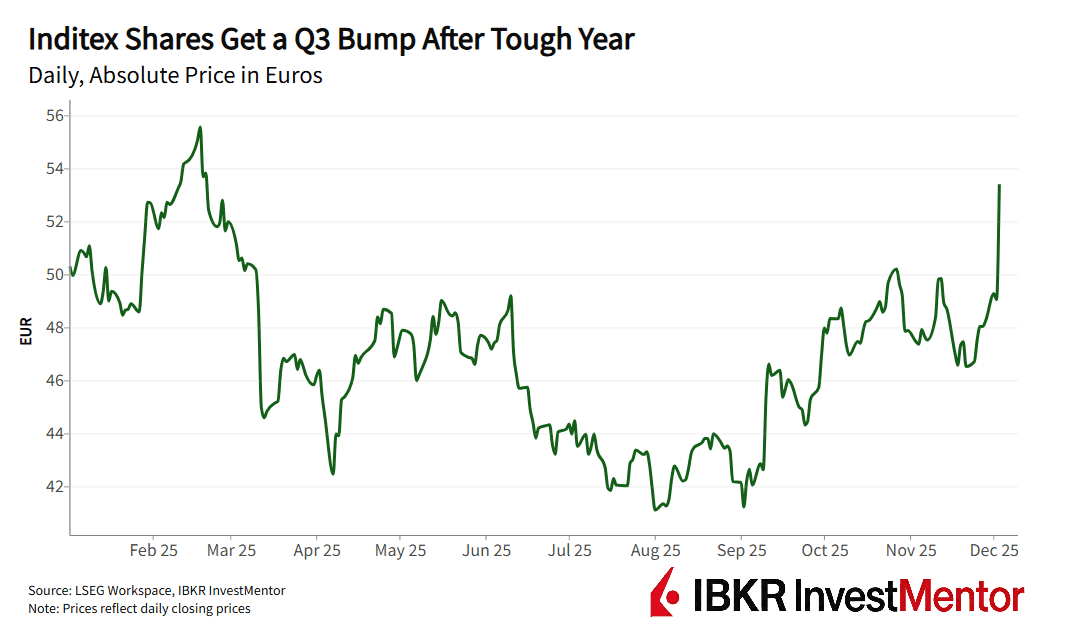
Spanish fast-fashion giant Inditex jolted markets, with sales jumping more than 10% during the crucial period between November 1 and December 1.
Better-than-expected performance sent Inditex shares soaring by more than 10% in Madrid on Wednesday. The company owns global fashion chain Zara, as well as a slew of other brands, including Pull&Bear, Massimo Dutti, Bershka, and Oysho.
As most companies won’t reveal their numbers for the Black Friday sales season until early next year, Inditex’s update gave investors a precious sneak peek at how the retail sector is doing.
Other early data:
The fashion group has shrunk its global store count to 5,527 — nearly 2,000 fewer than at the end of 2019 before the pandemic-related lockdowns hit the industry.
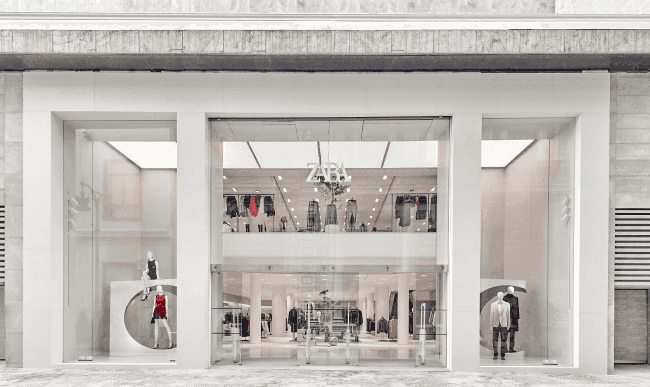
Instead of volume, Inditex is focused on high‑traffic flagships with self‑checkout and nearby logistics hubs. This lowers costs, delivering higher productivity per square meter.
Inditex relies on lean inventories, minimal marketing, and quickly changing collections, produced only in small batches. This model has worked well against its main rival, Swedish H&M, which relies on steeper discounts.
Chinese online platforms like Shein, Temu, and AliExpress churn out thousands of new styles daily, shipping them straight from factory floors to consumers. Supersonic fashion cycles and rock‑bottom prices siphon demand from H&M, Primark, and even Inditex’s Zara.
But this model comes with quality concerns, labor scrutiny, and environmental impact — even more so than with traditional fast fashion.
Regulatory pressure is rising: In 2024, nearly 1.4 billion packages valued under $800 entered the US duty‑free. That advantage vanished in August, when the White House scrapped the exemption. The EU aims to scrap similar exemptions to cheap parcels in 2026, and is also forcing fashion retailers to pay to clean up textile waste.
Want to explore more? Download our free app to unlock expert news updates and interactive lessons about the financial world.