Companies
Last-Minute Deal
Samsung Strike Averted, but Memory Chip Crunch Remains
5/20/20265/21/2026

It’s become a ritual: another scorching quarter from Nvidia, another shrug from investors. Revenue skyrocketed 85% year-on-year to $81.6 billion, marking the 15th consecutive quarter of beating estimates. Guidance for the ongoing quarter also smashed Wall Street expectations. CEO Jensen Huang hailed “parabolic” data center investments.
The American chipmaker announced $80 billion in additional share buybacks — using its cash to repurchase its own stock from the market, pushing the price up. It also lifted its quarterly dividend from $0.01 per share to $0.25.
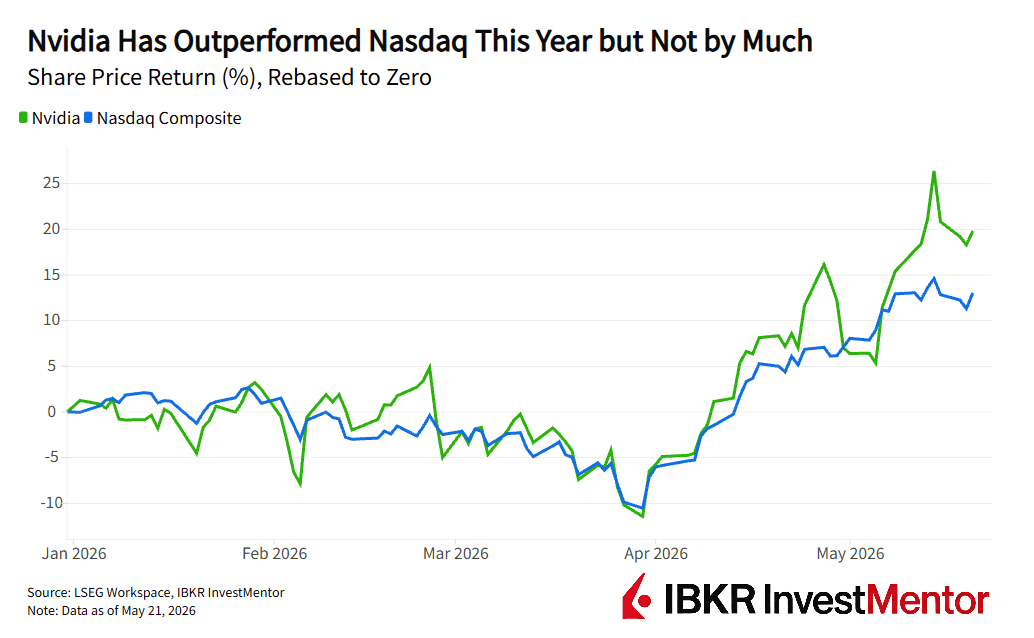
And yet the stock barely moved in after‑hours trading.
Spectacular is already priced in. Nvidia needs to deliver something genuinely jaw‑dropping to get investors’ hearts racing again.
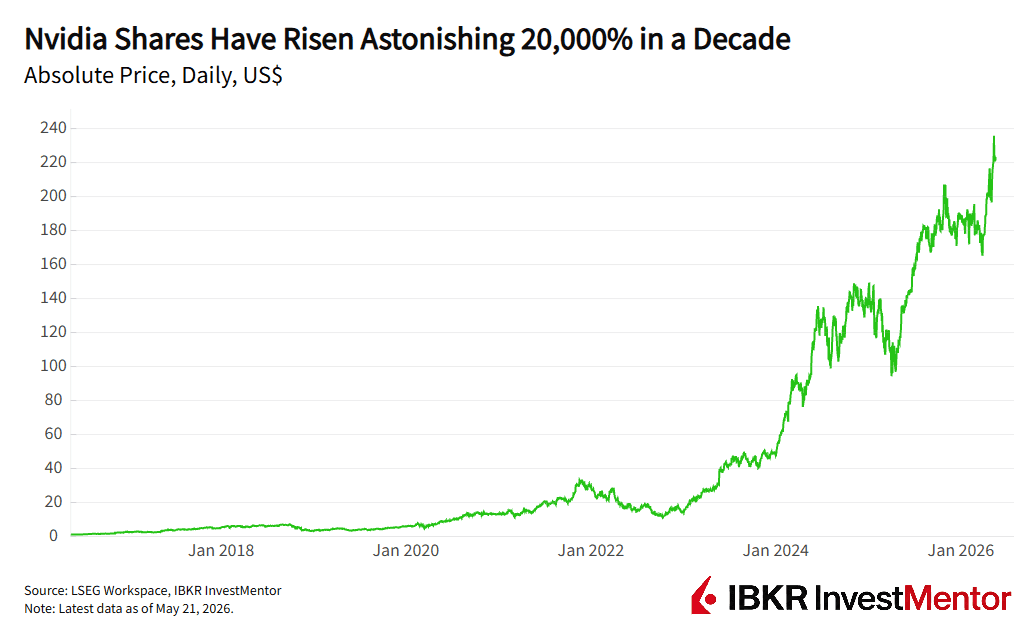
Nvidia’s market capitalization stood at $5.4 trillion dollars on Thursday, May 21. It is the world’s most valuable company, leading Alphabet by almost a trillion. The meteoric rise of the AI boom’s superstar appears to be over, and instead, we now have a very large and very profitable tech incumbent.
Analysts expect growth to slow to about 36% next fiscal year. And while Nvidia’s gross margin was at impressive 75%, it came just a touch under the 75.7% expected. The chip industry is also getting more diverse, with companies like Alphabet, Amazon, AMD, and Intel all developing competing products.
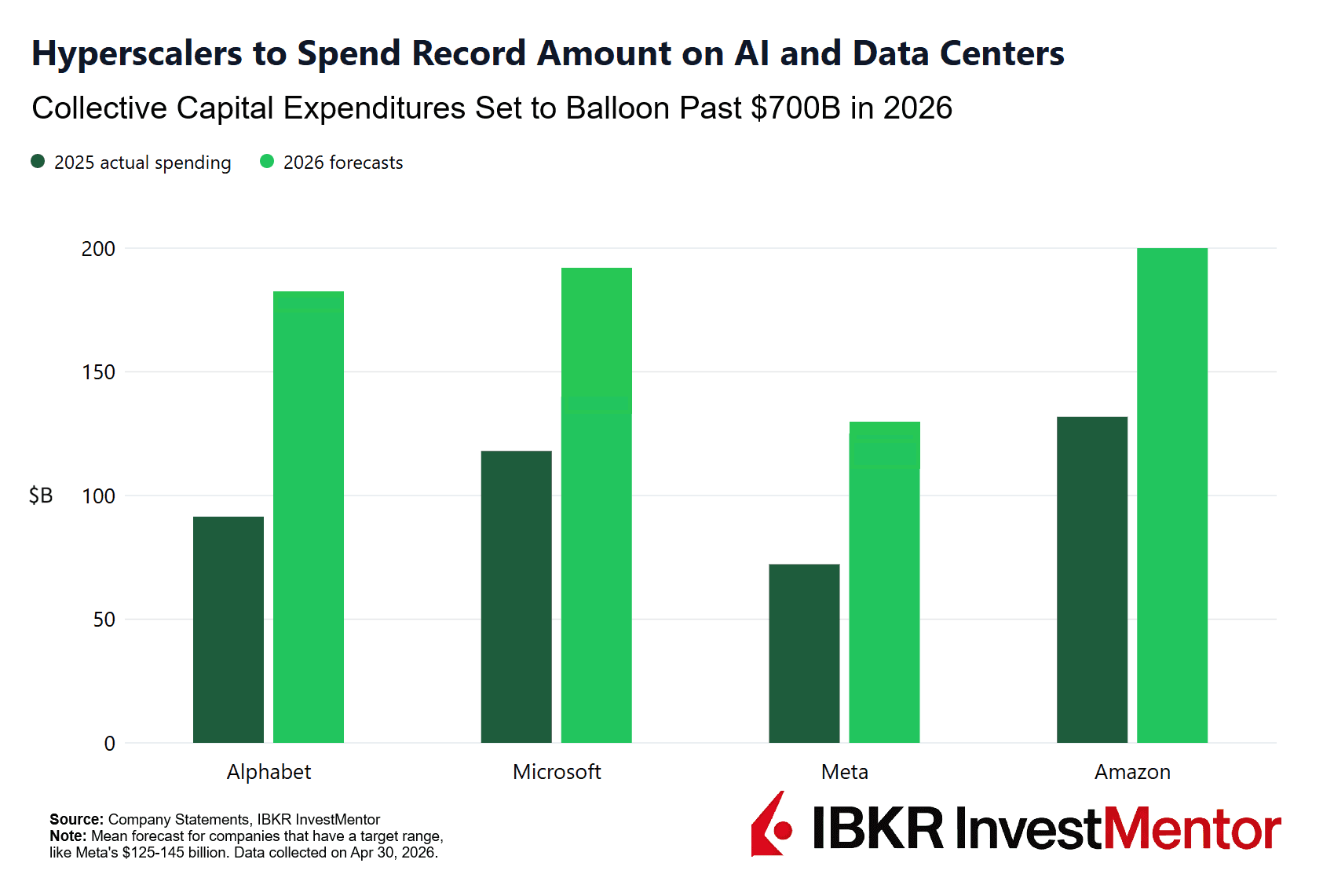
If Nvidia is the AI economy’s heartbeat, the pulse is still racing. Top four hyperscalers, the big spenders on computing power, are set to spend $725bn on AI infrastructure in 2026, up from roughly $400bn last year.
Nvidia’s data‑center revenue nearly doubled, and strong demand for its high-end chips (Blackwell, Rubin, and upcoming Vera) suggests the build‑out isn’t slowing. But the AI ecosystem is shifting as customers are trying their best to diversify away from Nvidia.
And Nvidia isn’t untouchable. It relies on Taiwanese TSMC to make the chips it designs, Dutch ASML to build lithography machines for that, and companies like Samsung and SK Hynix selling it memory chips.
Nvidia has one big problem: China. It used to dominate the Chinese market for advanced chips with a 95% share. But that vanished when the US banned China from buying cutting-edge chips back in 2022.
Washington has loosened restrictions, giving some firms permission to buy Nvidia’s second-best chips, known as H200. But China has turned the tables, blocking the deals. Instead, it wants to give space for domestic companies, like Huawei, to develop their own chips. China even went so far as to ban one of Nvidia’s gaming chips during CEO Huang’s recent visit to Beijing, accompanying US President Donald Trump. Huang is Taiwanese-American.
Morgan Stanley expects China’s AI chip market to hit $67 billion by 2030, with 86% dominated by domestic players.
Nvidia has spent and committed an extraordinary $90 billion on deals and partnerships in just 16 months, according to the Financial Times.
It has backed more than 145 AI companies, including model labs like OpenAI and Anthropic, chip designers like Marvell and Groq, and cloud groups like CoreWeave and Iren. It’s a customer, supplier, and investor all at once, recycling its own profits back into the ecosystem that buys its chips.
This has not gone unnoticed by regulators, who have submitted information requests on Nvidia’s sprawling empire.
Want to explore more? Download our free app to unlock expert news updates and interactive lessons about the financial world.