Companies
EU Bank Mergers
Why Europe Keeps Flirting With Bank Mergers
3/16/20263/17/2026
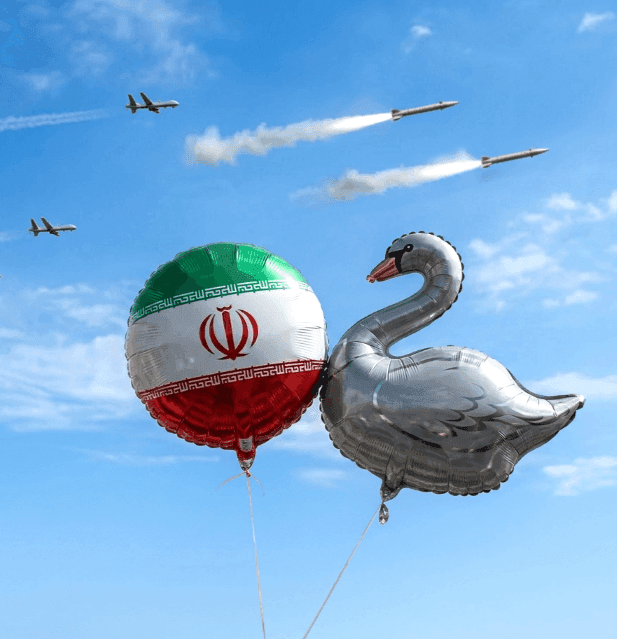
As Iran continues to block most shipments through the Strait of Hormuz, the world is bracing for a return of high inflation. The Strait of Hormuz is a narrow waterway linking the Persian Gulf to the open ocean. At normal times, about 20 percent of the world’s oil and liquefied natural gas (LNG) passes through it.
But energy is only one part of the story. The strait is also a crucial shipping route to helium, bromine, and fertilizer ingredients. As prices of these materials spike, the impact is felt across the global economy.
The closure of the Strait is a so-called grey swan: a high-impact, low-probability event that is predictable yet often neglected. This is different from a more famous black swan event, which almost no one sees coming.
Modern farming depends on chemical fertilizers and pesticides. Many of these chemicals are produced in the Gulf region and shipped through the Strait of Hormuz:
Farmers also face higher wholesale gas costs, impacting the heating of greenhouses. The oil shock makes food transport more expensive. The price pressures will likely creep into grocery bills over the coming months.
Sulfur is a byproduct of oil and gas refining, which is why so much of it comes from the Gulf. It can be turned into sulfuric acid, a crucial chemical in metal processing.
Why this matters:
Mining can continue for a while using stockpiles, but once those run down, production gets more expensive. There’s already a supply crunch on copper, a key metal in electric vehicles, power grid upgrades, and data centers.
While chips aren’t widely produced in the Gulf Region, the war threatens the tech industry, too.
This is because chip manufacturers need:
About a fifth of the world’s helium is used by the semiconductor companies. Other uses include cooling superconducting magnets in MRI machines and, of course, party balloons. More than a third of the world’s helium is supplied by Qatar as a byproduct of LNG.
The Strait of Hormuz has never been closed this thoroughly, although the route was severely disrupted during the 1980s “Tanker War” and later regional crises.
The tools Iran is using:
All these have sent insurance costs skyrocketing, making it even less likely for the vessels to attempt the journey.
Want to explore more? Download our free app to unlock expert news updates and interactive lessons about the financial world.