Economy
Fed Metric
Inflation Picks Up, Spending Slows Slightly
2/20/20262/20/2026
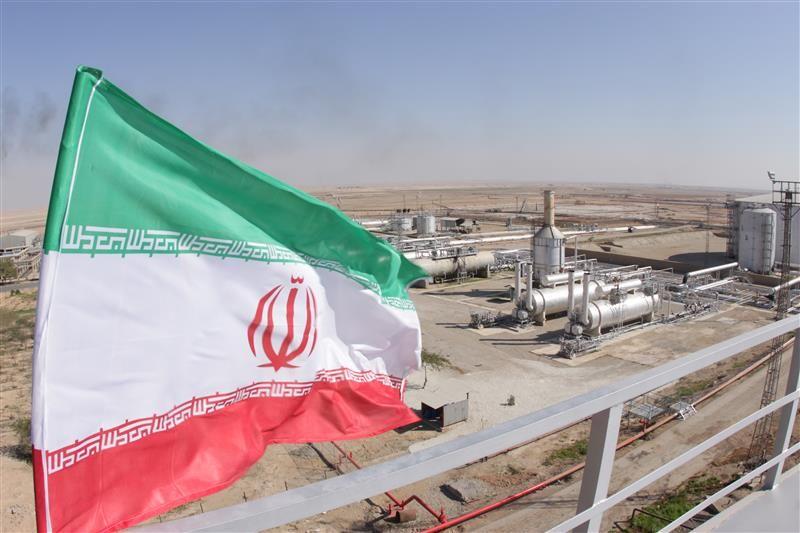
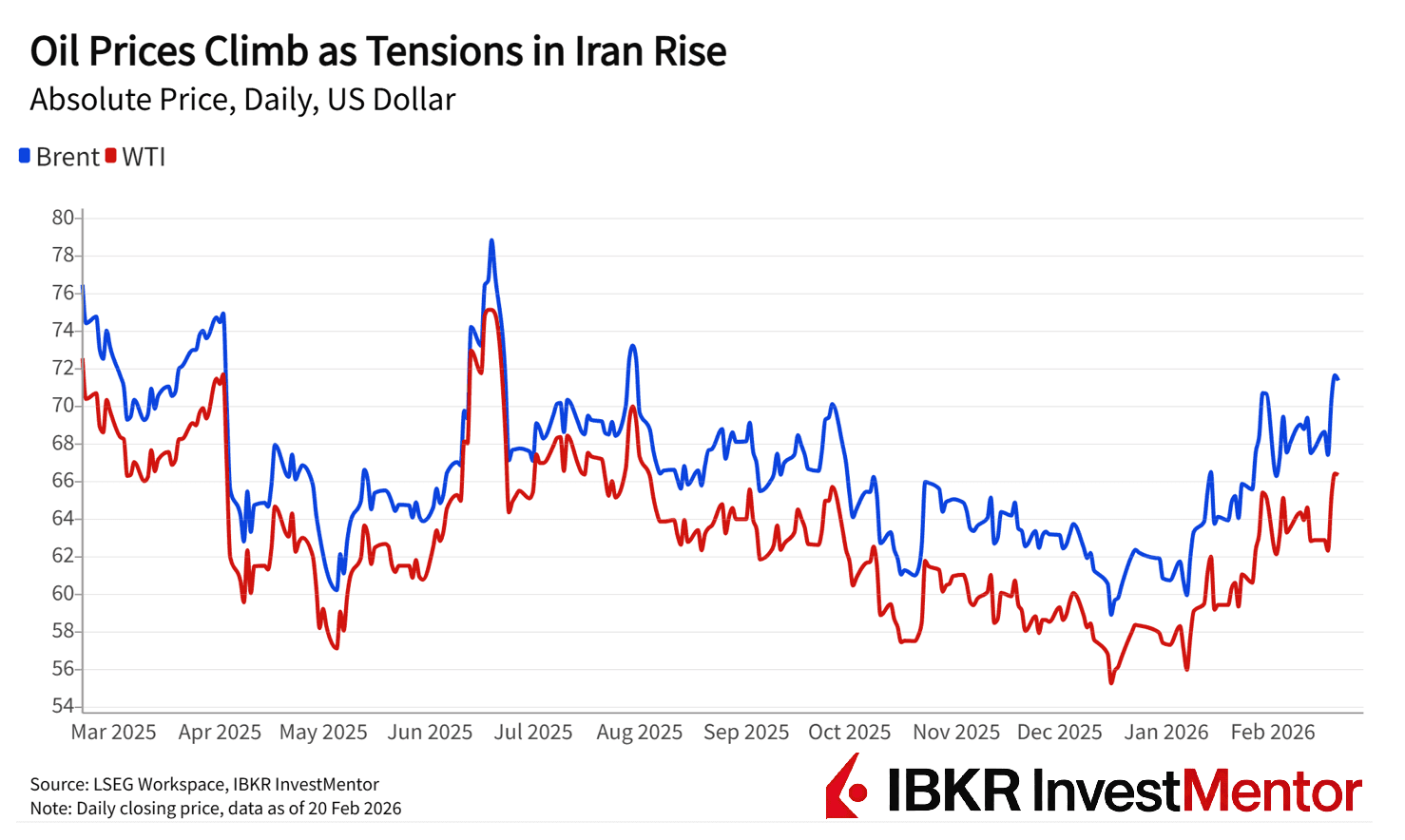
Energy markets now have a countdown set by the White House. US President Donald Trump warned on Thursday that Iran has 10–15 days to reach a “meaningful” nuclear deal or face “really bad things,” a message that immediately pushed oil prices near six‑month highs.
Both Brent and WTI oil benchmarks are up around 5% on the week — marking big moves for the crude.
While it's a vague deadline, it's enough to jolt markets. When uncertainty gets packed into a tight window, price swings usually get bigger. With both sides still far apart on key issues, investors can't ignore the possibility of a military conflict.
Oil has climbed on rising tension, but the picture isn’t one‑sided. Yes, threats of military strikes and Iran’s warnings of retaliation have increased risks.
But markets are also weighing ample global supply. Analysts note that the oil surplus seen in the second half of 2025 persisted into January, and OPEC+, a group of oil producers, is reportedly considering resuming output increases from April.
That supply cushion doesn’t erase geopolitical risk, but it does soften the spike.
A sudden fall of Iran’s government would send shockwaves through global markets. Recent nationwide protests, and now the risk of a US intervention, have raised the possibility of regime change.
Key implications:
In the long term, a new regime could re-establish international diplomatic and trade relations and supply more oil and other products to the global markets.
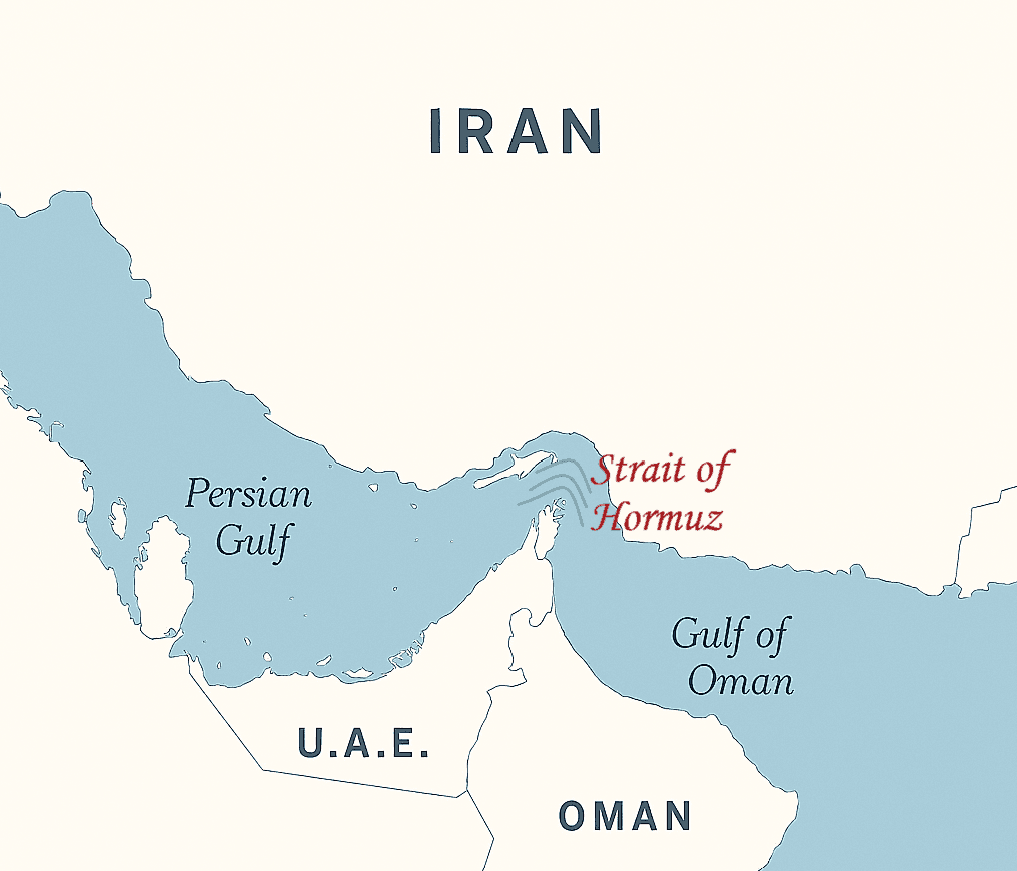
The Strait of Hormuz is one of the world’s most critical energy corridors. About a fifth of the global oil supply and liquified natural gas (LNG) passes through this narrow shipping lane between Iran and Oman.
Tehran sits on one side of the strait and has a significant military presence in the area. Iran already closed the strait partially and temporarily earlier this week. Even the threat of disruption can:
For countries like China, heavily reliant on the Gulf crude, the strait’s stability is essential.
Years of sanctions have left Iran with limited access to global financial markets. Oil exports remain restricted, starving the central bank of dollars needed to stabilize Iran's currency rial, which hit record lows during recent protests.
Iran has very little pricing power, with China buying about 90% of its oil exports at heavy discounts. Most countries won’t dare to touch oil sanctioned by the US.
Importers face higher costs and unpredictable delays, while businesses struggle with unstable exchange rates and limited credit. All this feeds the inflation spiral.
Want to explore more? Download our free app to unlock expert news updates and interactive lessons about the financial world.