
Politics
Xi in Washington
Glamorous US-China Super Summit Delivers Tepid Results
9/28/2026
9/28/2026

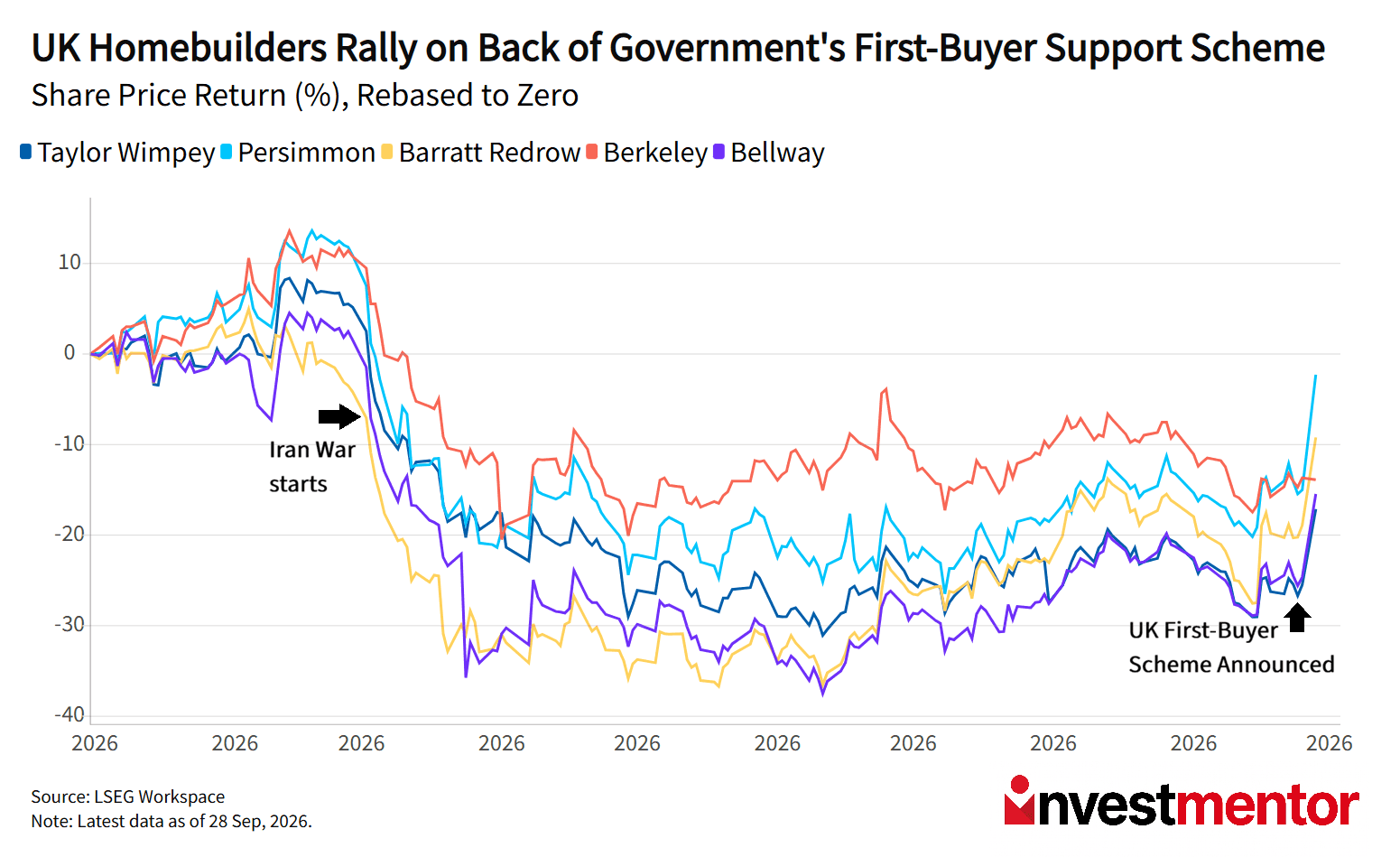
The UK government is reviving its old help-to-buy scheme with some tweaks and a new name: Your First Home. First-time buyers will be able to purchase a new-build property with only a 2.5% deposit and receive a 20% equity loan from the government, with an initial interest-free period. (How long? Nobody outside of Prime Minister Andy Burnham inner circle knows yet.)
Despite hazy details, homebuilder shares exploded on the news. Taylor Wimpey, Persimmon, Barratt Redrow and the rest all jumped more than 10%.
The scheme has two goals:
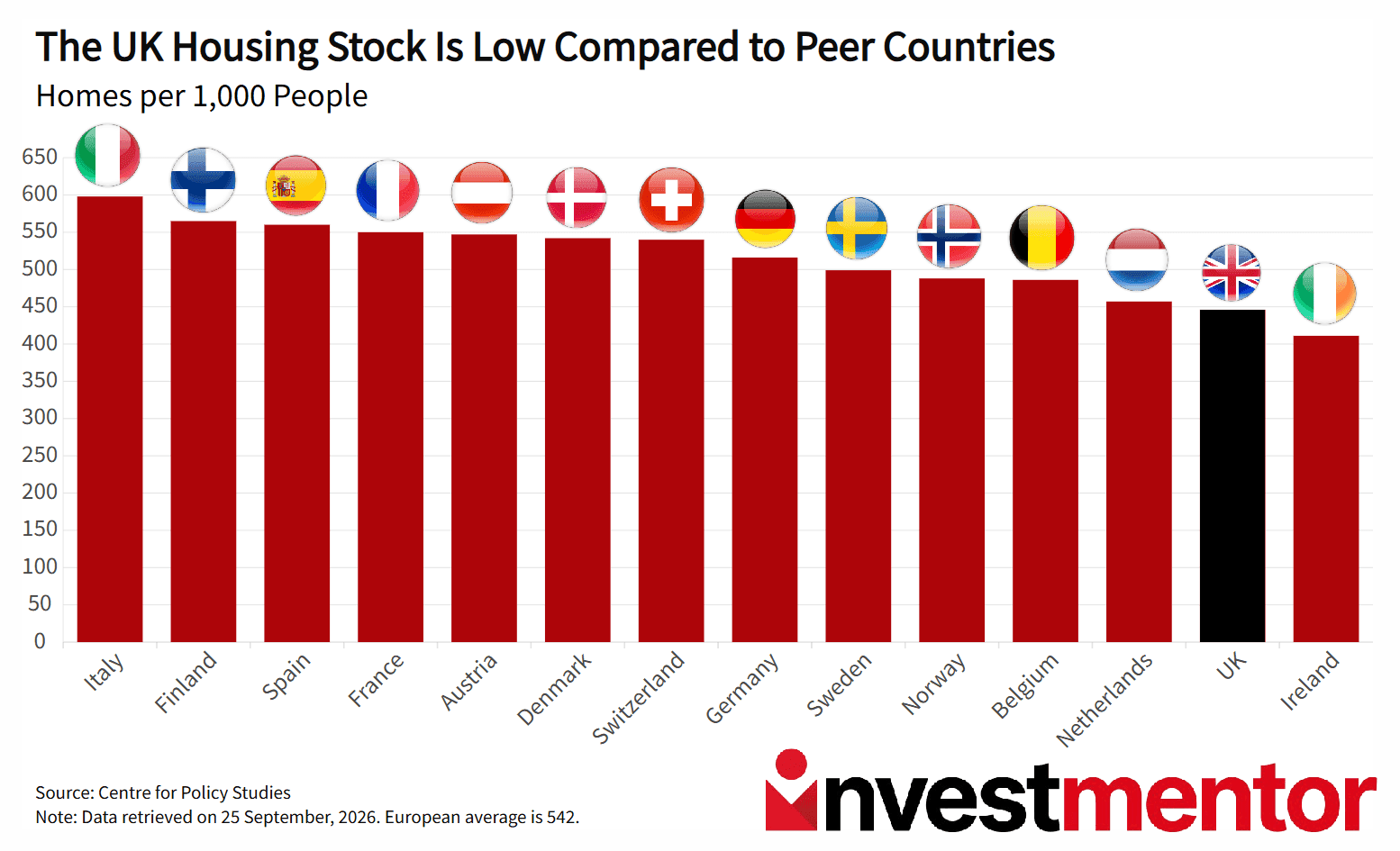
The UK housing crisis is primarily a shortage problem. Britain has just 445 homes per 1,000 people, which is the second-lowest rate in all of Europe. According to Centre for Policy Studies, the UK would have to build 565,000 homes per year, more than double the current rate, to hit the European average by 2040.
The UK housing stock is also the oldest in the world, according to a building research charity BRE Trust, with a fifth of the homes more than 100 years old. That means the homes that are available often lack in modern facilities and energy efficiency and have structural issues.
While the new scheme tries to address this, the fear is that if lots of new buyers enter the market, house prices will simply rise further, unless homebuilders pick up the pace. Great for homeowners. Less great for aspiring ones.
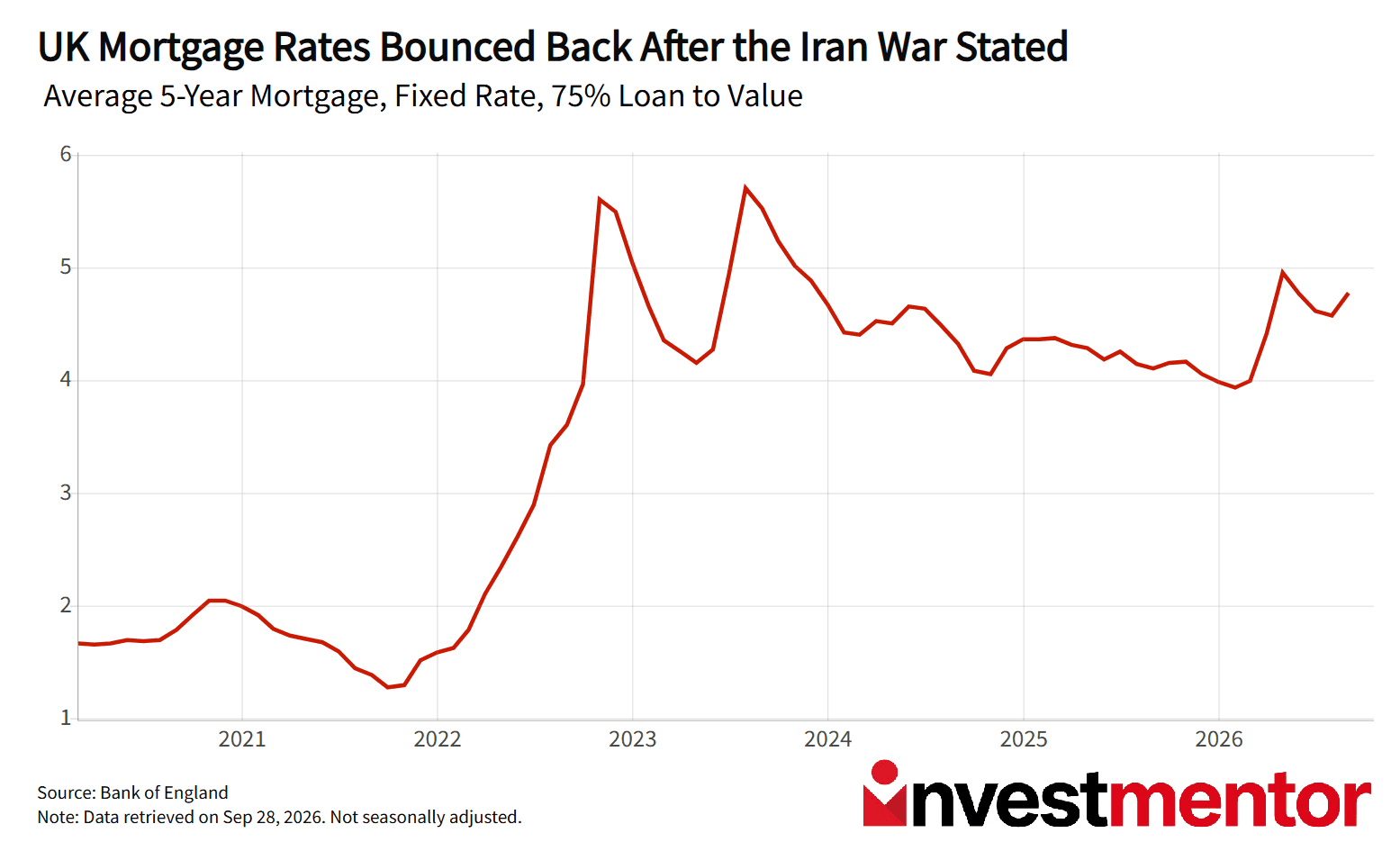
Even affordable homes can become unaffordable when borrowing costs rise.
In the UK, average fixed mortgage rates are still around 5%-6%, well above the ultra-low deals many homeowners locked in just four or five years ago. The Iran War interrupted a downward slide, and the rate are heading up again. And it’s not just the UK. In the US, for example, the average 30-year mortgage rate has climbed above 7%.
That matters because most people don't buy houses outright. They buy them in monthly payments. When rates rise, those payments jump, shrinking the number of people who can buy a home. Many households won’t even be able to secure a mortgage offer from a bank anymore.
In New York City, Mayor Zohran Mamdani has frozen rents on millions of rent-stabilized apartments, arguing tenants need relief. Landlords are fighting the decision in court.
In Spain, tens of thousands marched through Madrid after 87-year-old Maricarmen Abascal was forcibly evicted in her wheelchair from a home her family had rented since 1956. Her rent rose from €500 to €2,650 a month to reflect modern-day market prices. The left-wing government is trying to push through rent controls, but is struggling to get backing in a divided parliament.
Different countries are trying different solutions: buyer subsidies, rent caps, tenant protections. But as interest rates keep climbing, they're all wrestling with the same problem: there aren't enough affordable homes.