
Companies
Mega-Caps
Tech Titans and the Power of Concentration
11/18/202511/19/2025
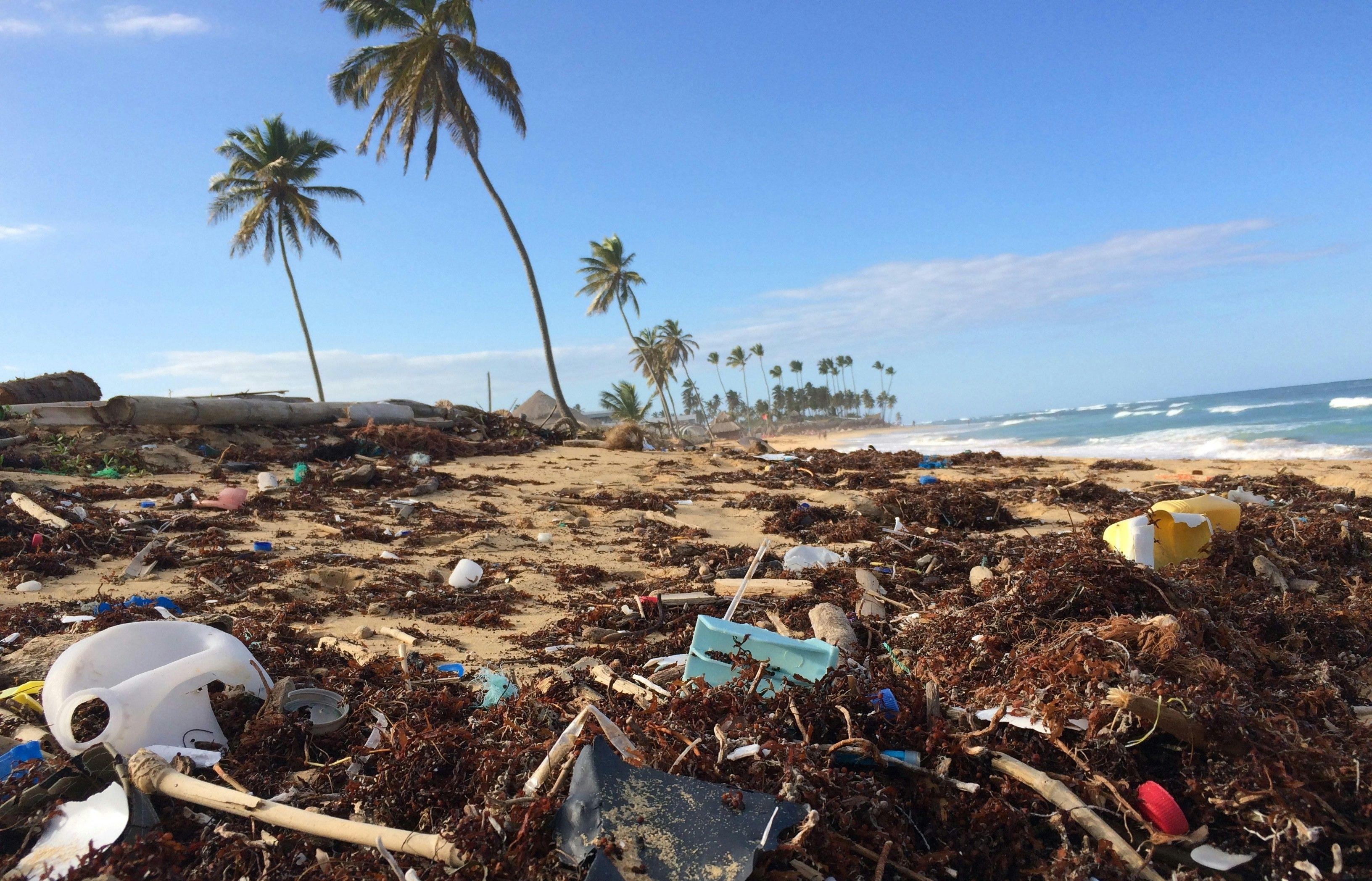
COP30 is the 30th annual UN climate summit, this time taking place in Belém, Brazil.
COP stands for the Conference of the Parties (yes, really), and it brings together nearly 200 countries to negotiate about:
These summits often fall short of big, market‑moving breakthroughs. But this year carries extra weight: it marks 10 years since the Paris Agreement, the last major global climate pledge.
Developing countries are pitching what may be the world’s biggest investment plan: mobilizing $1.3 trillion every year by 2035 to go green and adapt to climate change.
This isn’t a fresh target — it’s an aspiration already baked into the last COP deal, where richer nations pledged $300 billion and left the bigger number as a nice-to-reach goal. Now, in Belém, the focus is on how to turn that aspiration into real flows of capital.
Where the money is needed:
Another big focus at COP30 is the release of updated NDCs, Nationally Determined Contributions. These are each country’s climate action plans under the Paris Agreement, showing how much pollution they aim to cut by 2035 to keep global warming near 1.5°C.
NDCs aren’t just pledges; they shape real policy: subsidies, carbon taxes, pollution rules, and corporate reporting standards.
For long-term investors, they act as a roadmap for where economies are heading over the next decade.
The leaders of the US and China — the world’s biggest emitters — aren’t attending. The absence of Presidents Trump and Xi weakens the political push behind any deals, especially on climate finance and global standards.
It also signals slower US engagement just as many companies are already dropping or scaling back their ESG (=Environmental, Social, and Governance) commitments.
For investors, this means more policy uncertainty, slower coordination, and a higher chance of mixed signals from the world’s two largest economies.
The outcome of COP30 will decide the balance: if talks stall, fossil fuel companies benefit from the status quo. But if progress is made, the winners and losers shift dramatically.
Camp Green: solar and wind companies, battery makers, grid-upgrade firms, EV supply chains, heat pumps, green hydrogen, carbon-capture tech, climate-data providers, and builders of adaptation infrastructure.
Camp Carbon: fossil fuel producers, livestock-heavy agriculture, and heavy industry with costly decarbonisation. Some insurers face rising risks, though strong pricing power helps.
Yes — but only with a long‑term view.
Markets are unlikely to swing on COP headlines, unless Brazil somehow manages to shepherd nearly 200 countries into a legally binding, strongly-worded climate deal.
But the policies shaped here influence taxes, subsidies, regulation, and public spending for years. That affects which sectors get cheaper financing, which face new compliance costs, and where governments direct investment. These choices quietly tilt the odds, and portfolio values.
Want to explore more? Download our free app to unlock expert news updates and interactive lessons about the financial world.