
Tech
Hooked on Apps
A Landmark Ruling in Social Media Addiction Rattles Big Tech
3/26/20263/30/2026

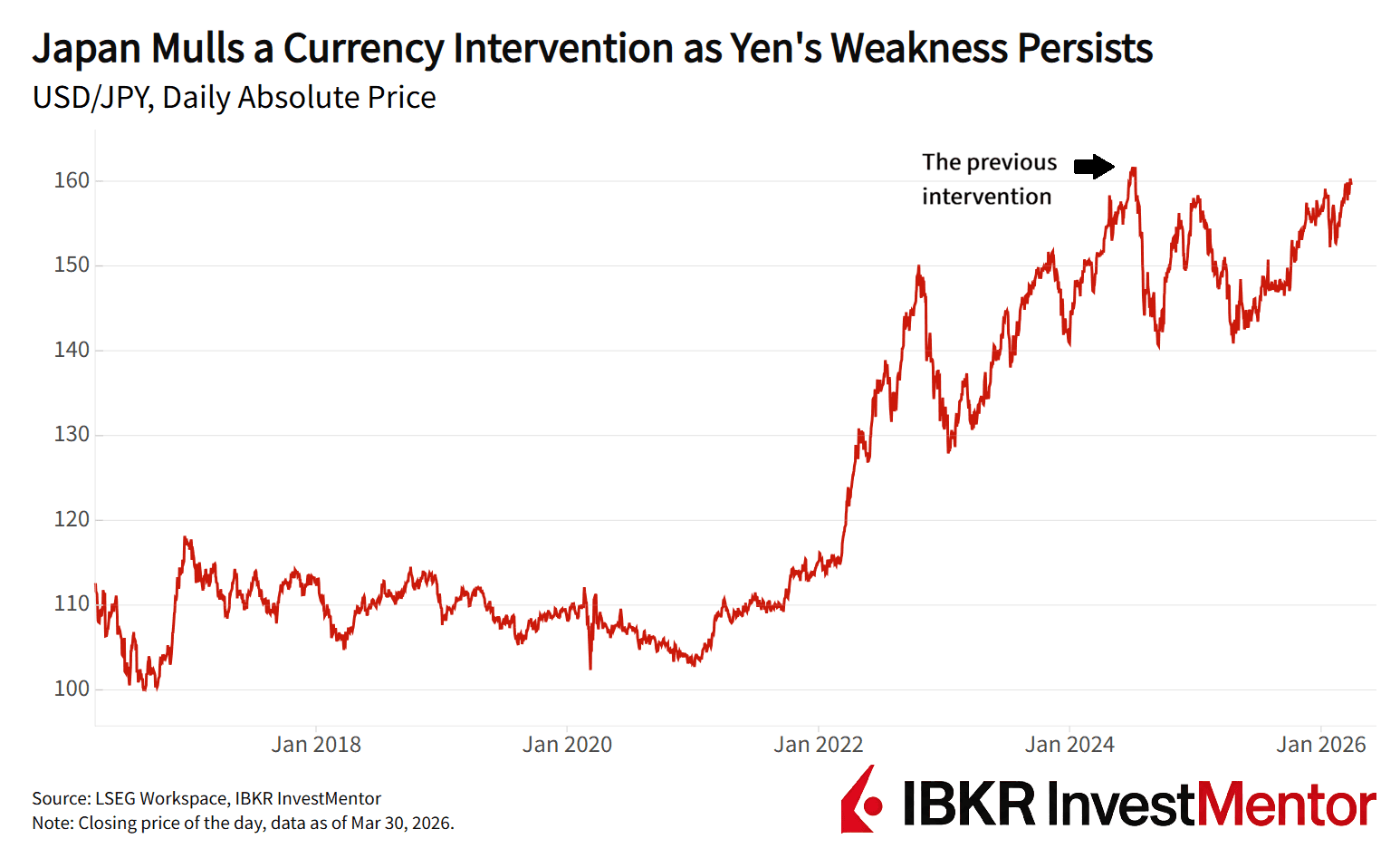
Asian economies are feeling the oil shock, and Japan is on the front line. About 95% of its oil is imported from the Middle East, leaving it acutely exposed when the Gulf supply is disrupted.
Japan knew this risk well. By the end of 2025, it had built up more than eight months of emergency oil reserves. But it’s entering this crisis with weak fundamentals: public finances stretched, the yen under pressure, and investors uneasy about Prime Minister Sanae Takaichi’s stimulus plans.
The yen is now hovering around 160 to the dollar, close to its weakest level in four decades. Officials have warned that speculative trading could force “decisive” action — the strongest language yet, and a clear hint that yen-buying intervention may be near.
The Bank of Japan is increasingly treating the weak yen as an inflation problem. Governor Kazuo Ueda has said currency moves strongly affect prices and growth, especially when fuel costs are rising.
The oil shock has revived concerns about stagflation, when inflation rises even as the economy weakens. Policymakers face a narrow path:
BoJ kept the rates unchanged in March. Economists forecast a 70% chance of a rate hike in April.
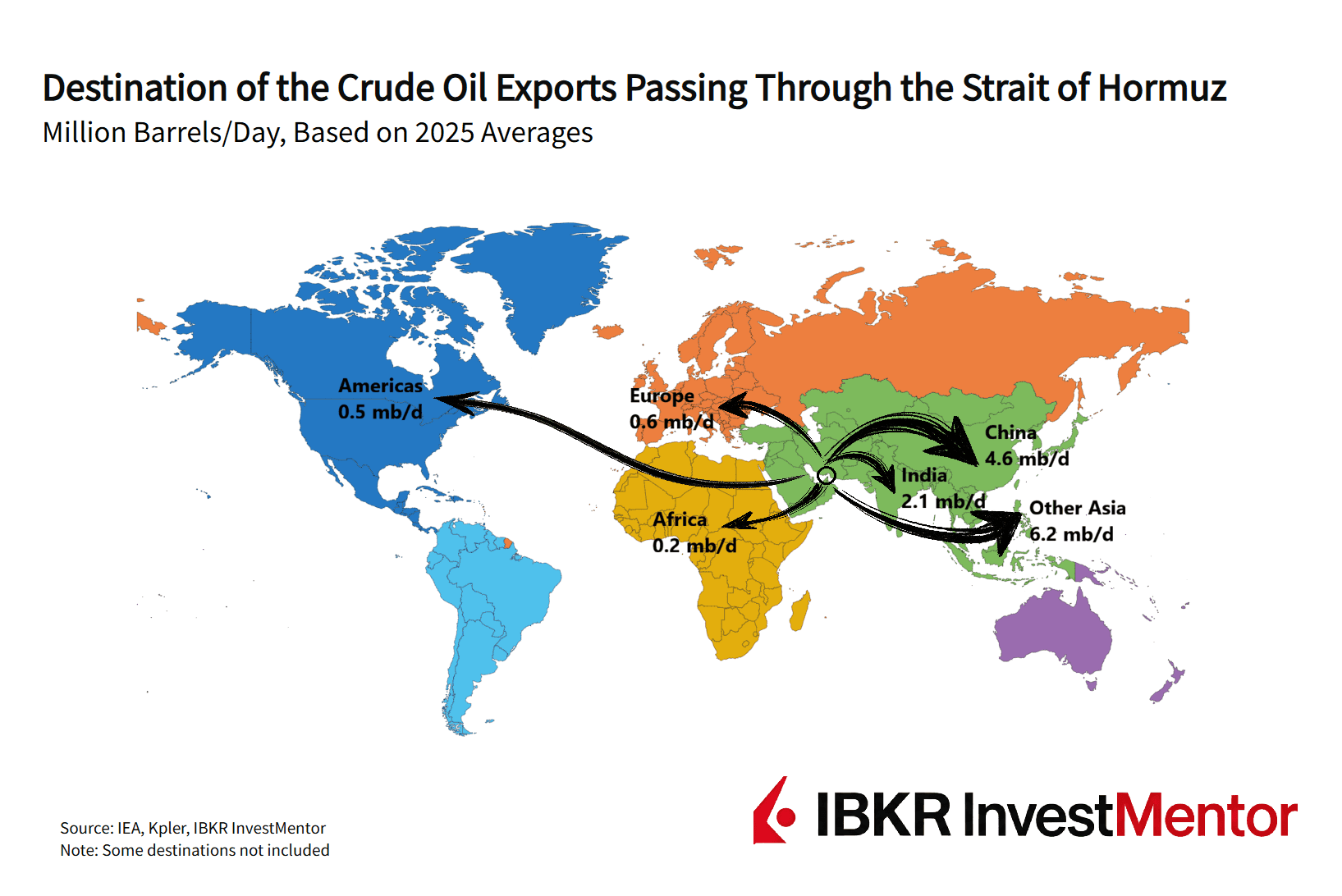
This oil shock is hitting Asia harder than anywhere else, and countries in the region will likely see the first wave of inflation pressures too.
The region buys more than 80% of the crude that normally passes through the Strait of Hormuz, a narrow chokepoint handling roughly one‑fifth of global oil and gas flows in normal times.
Asian countries don't just have to tackle the spike in crude oil prices. They face fuel shortages, which can lead to rising inflation, political tensions, and currency pressures.
With oil prices surging and supply badly disrupted, the International Energy Agency says supply fixes alone aren’t enough. Demand has to adjust, too.
IEA's recommendations:
Governments across Asia have already moved to cut demand. Many have issued recommendations, such as lowering the air conditioning and ditching sweaty suits.
These efforts to curb energy use have been undermined in some countries by fuel tax cuts, subsidies, and price caps.
Want to explore more? Download our free app to unlock expert news updates and interactive lessons about the financial world.