
Companies
Industry Reset
Reality Check for Gaming Giants as Layoffs Continue
3/25/20263/26/2026
A California jury has found Instagram-owner Meta and Google’s YouTube liable for harm to a user who said she became addicted as a child. Jurors concluded the companies’ design choices were addictive and contributed to her depression.
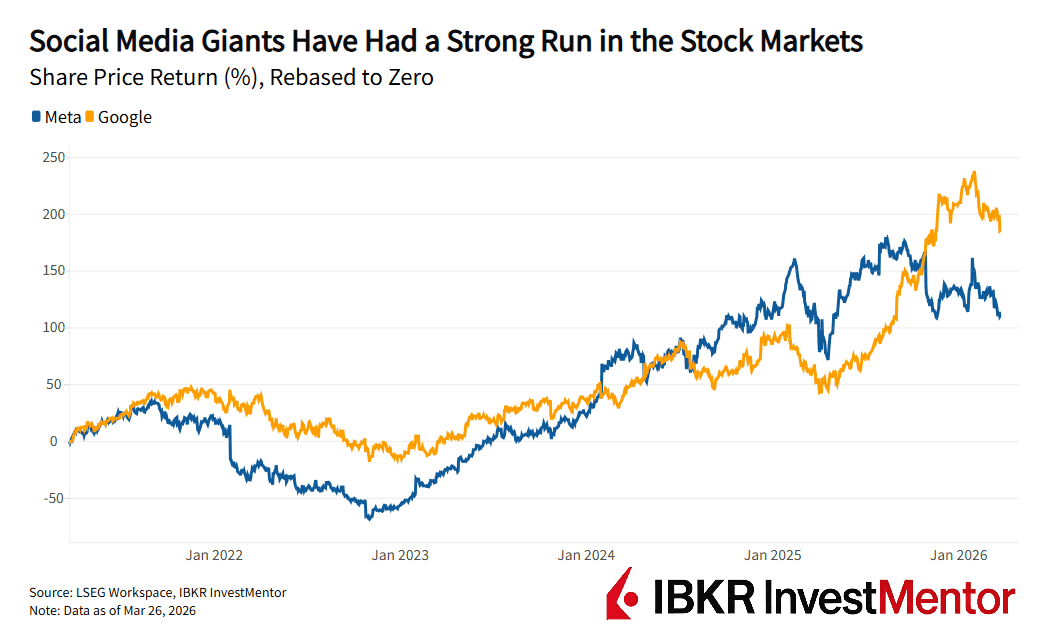
The jury ordered the companies to pay altogether $6 million in damages. It’s pocket money to big tech, with Meta’s market cap at around $1.5 trillion and Google parent Alphabet’s at $3.5 trillion. But the verdict sets a precedent, as thousands of similar lawsuits are lined up in the US alone.
Both companies plan to appeal. Meta argues mental health issues stemmed from the plaintiff’s family. Google says YouTube is not a social network. TikTok and Snapchat were also sued but settled before trial.
This case is important because it challenges Section 230, a US law that protects internet platforms from lawsuits over user content. It positions platforms as distributors, not publishers. Social media companies have argued they cannot be held responsible for the content posted by users.
But the plaintiff’s legal team got around that shield by arguing that the harm stemmed from how the platforms were designed, not from individual posts. Features like infinite scroll, auto-play, and algorithmic recommendations are fueling addiction, they argued.
So far, the share price reaction to the ruling has been muted as investors wait for the appeals. But if the verdict stands, it could have implications beyond social media, too, including gaming and AI.
The lawsuits borrow ideas from US tobacco cases decades ago. Companies knowingly built addictive products that harm users, the argument goes. Courts eventually started treating cigarettes as unsafe, not just a personal choice.
But the comparison isn’t perfect. Smoking causes direct, irrefutable physical harm, while social media effects are more complex and vary by user. Still, the legal approach is similar: examine product design, internal research, and what companies understood about risks at the time.
Social media companies could eventually be forced to tone down features that drive engagement, undermining their business models.
Meta and Google have said they will appeal. That starts a legal review, not a new trial.
Appeals take time, but the ruling already shapes how similar cases are handled.
This ruling comes on top of a slew of government actions across the globe, regulating social media.
Youth bans have been criticized by young creators and tech experts who doubt their enforceability in practice.
Want to explore more? Download our free app to unlock expert news updates and interactive lessons about the financial world.