
Companies
Post-IPO Gravity
SpaceX Shares Fall Back to Earth After Stellar IPO
7/21/20267/21/2026
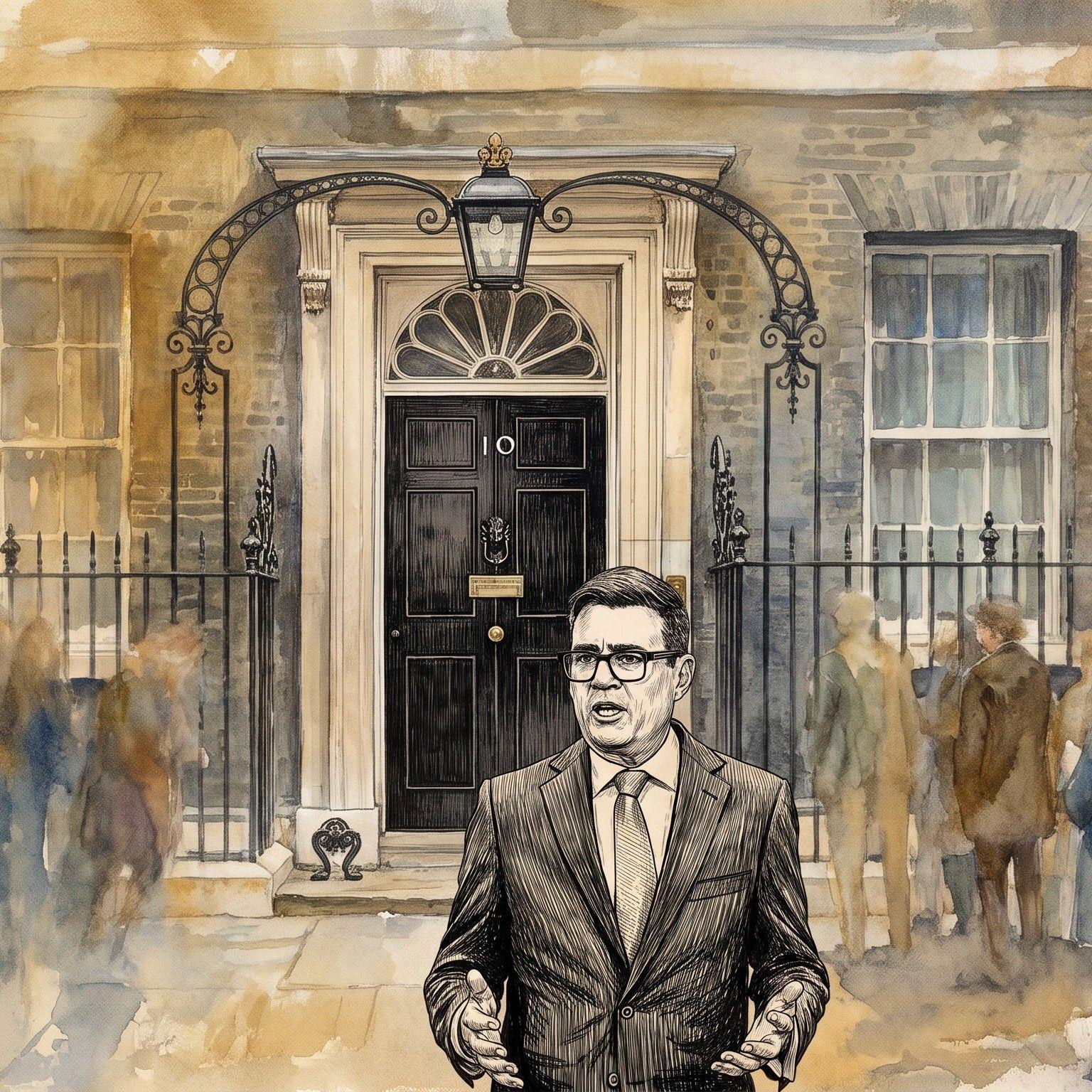
Andy Burnham has moved into No. 10 Downing Street to build a “cost-of-living government.”
The new British prime minister — the seventh in the last 10 years — promised in his first speech to bring forth the biggest changes the UK has seen in the last four decades. But he shied away from revealing details on his policy plans.
The new Labour Party leader positioned himself against rapid deregulation and deindustrialization that kickstarted under conservative PM Margaret Thatcher in the 1980s. Burnham also called for more devolution of powers from London, aiming to move some functions of the prime minister’s office to Manchester, where he reigned as the mayor just weeks ago.
John Healey is the new Chancellor of the Exchequer, which is the fancy name for the British finance minister. That job is a very big deal in the UK.
The chancellor controls tax, spending and borrowing from the Treasury. In most countries, finance ministers are powerful. But in Britain, they’re also considered the counterweight to the prime minister, with much attention given to how the pair operates together. There’s even physical proximity: the chancellor traditionally moves to No. 11 Downing Street, next door to the PM.
Healey is a former defense secretary who resigned after arguing that Britain was spending too little on the military. He has treasury experience from two decades ago, but little is known of his policy approach. On his first day, he hurried to call for “fiscal credibility,” calming the markets.
One policy that Burnham did announce was the removal of value-added tax from household electricity bills this winter. It should save a typical household about £45 a year, or £3.75 a month, and cost around £850 million in 2026-27. Not exactly economic fireworks for a government with a budget of about £1.4 trillion.
Yet, there was an immediate tiff over how this tweak would be funded. The government said it would pay for it by scrapping the digital ID scheme, a brainchild of former PM Keir Starmer. But an outgoing treasury minister said the planned scheme had no money set aside, so the saving may be imaginary. Cue a fight over unfunded tax cuts, a touchy topic in Britain.
The bond market is an audience no British PM can ignore. The markets have been jittery ever since the 45-day Prime Minister Liz Truss and her chancellor spooked the markets with much bigger unfunded tax cuts in 2022.
This is why Burnham reportedly scrapped his idea to increase personal income tax allowance — the amount of income you can earn tax-free each year. Instead, his first cabinet meeting focused on a “fiscal discipline” message.
When the UK borrows, it sells government bonds called gilts. If investors worry the government is borrowing too much, they demand higher interest rates, also known as yield. That makes debt more expensive.
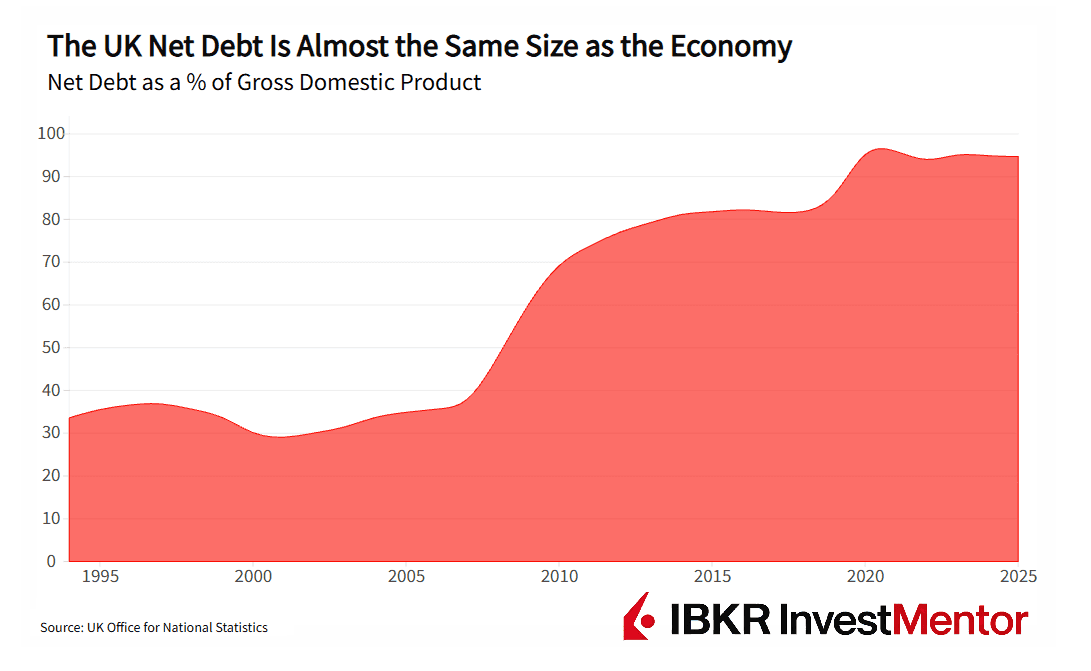
Britain's economic problems cannot be fixed with a £45 saving on electricity bills.
Main challenges:
Want to explore more? Download our free app to unlock expert news updates and interactive lessons about the financial world.