
Markets
Yen Interrupted
US and Japan Join Forces to Intervene in Currency Markets
8/4/20268/5/2026

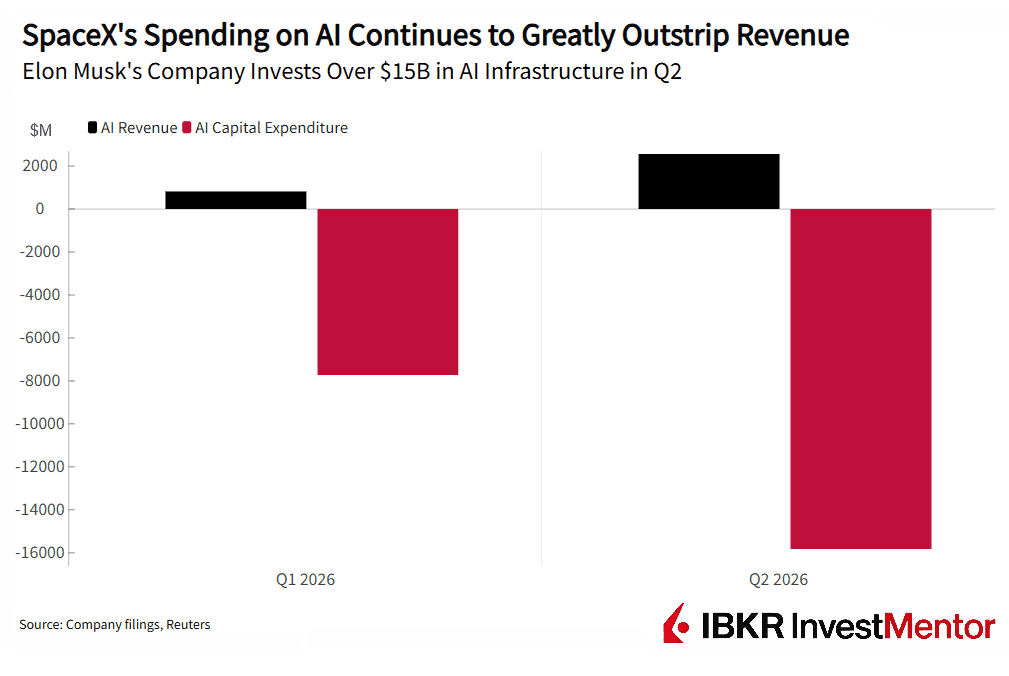
SpaceX’s first earnings report as a public company delivered rapid growth, much smaller than expected losses, and one very expensive surprise:
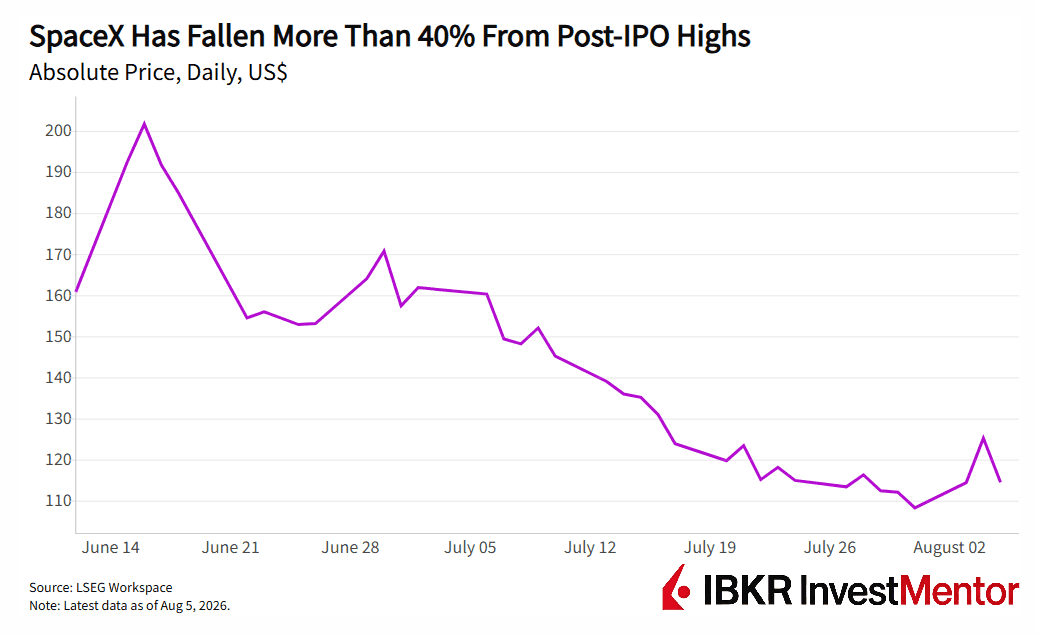
Even though the core numbers comfortably beat Wall Street forecasts, it’s that last number that gave investors a scare. Elon Musk’s rocket-satellite-AI conglomeration is burning money rapidly. Shares fell as much as 9% on Wednesday morning, although this was after they had shot up 9% in the previous session ahead of the report.
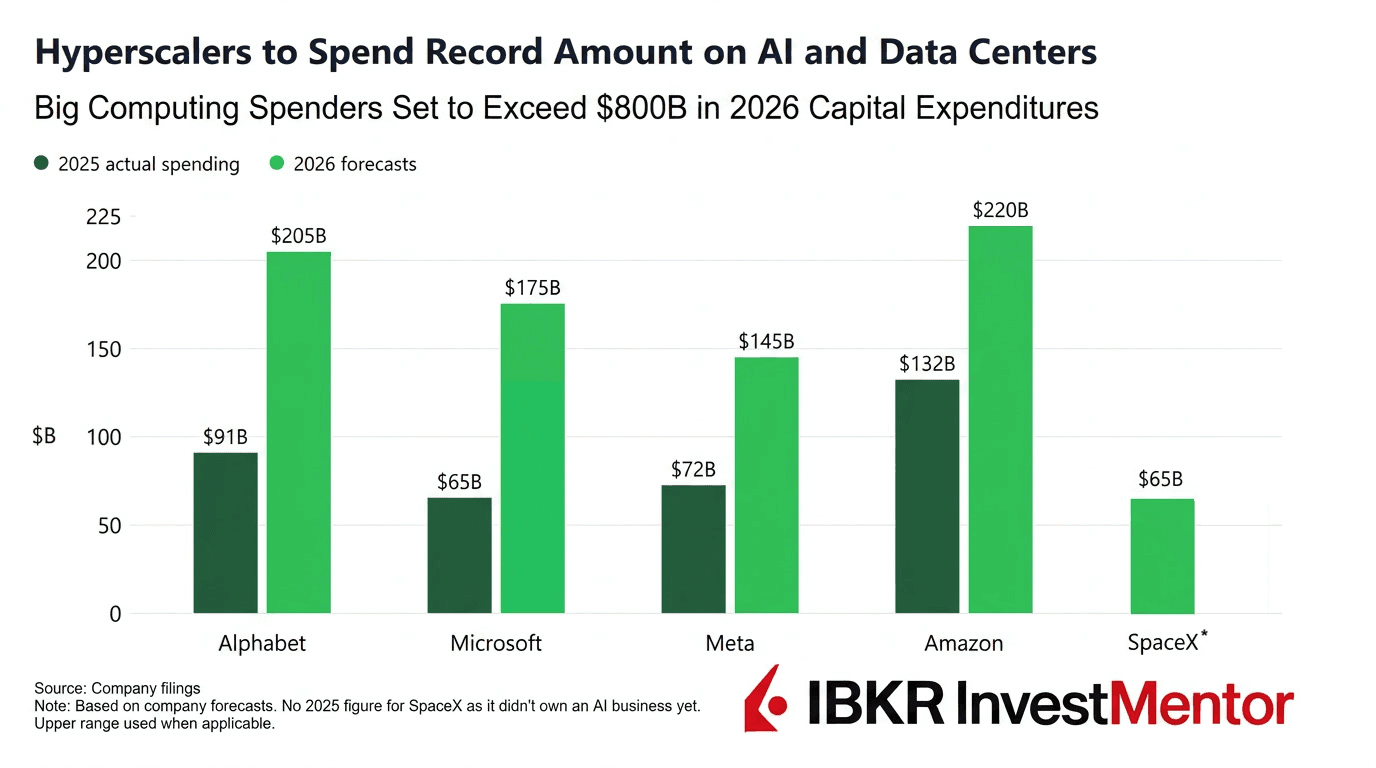
SpaceX’s ballooning capital expenditure budget shows that the company is serious in its attempt to compete with the likes of Microsoft and Alphabet in cloud computing and AI.
Nearly $16 billion of its quarterly capex went into artificial intelligence infrastructure, including chips, power systems and data centers. This was twice the amount the previous quarter. Moreover, the company expects to maintain this level of spending for at least two more quarters.
Management claims new AI computing capacity can repay its cost in under a year. SpaceX is trying to challenge established hyperscalers while its own AI models trail leaders such as OpenAI and Anthropic. Even in spending, it remains a distant challenger.
A bigger test arrives on Thursday, August 6, when SpaceX’s first post-IPO lockup period expires. Lockups prevent employees and early investors from selling, smoothing the ride for a newly listed company.
Why does this matter? Because the current free float — the number of shares available for public trading — is just around 555 million shares or about 5% of its shares outstanding. On Thursday, 912 million additional shares become eligible for sale.
Some insiders will cash out. That does not necessarily mean they have lost faith: early employees may simply want a house or a more diverse portfolio. A large burst of selling pushes the price lower, particularly when sentiment is already fragile. Shares have traded below the $135 IPO price since mid-July.
Satellite internet business Starlink remains SpaceX’s financial engine. Its customer base doubled to 12 million in 12 months, while the unit’s operating income climbed 79%. But average revenue per subscriber fell as SpaceX expanded into cheaper international markets.
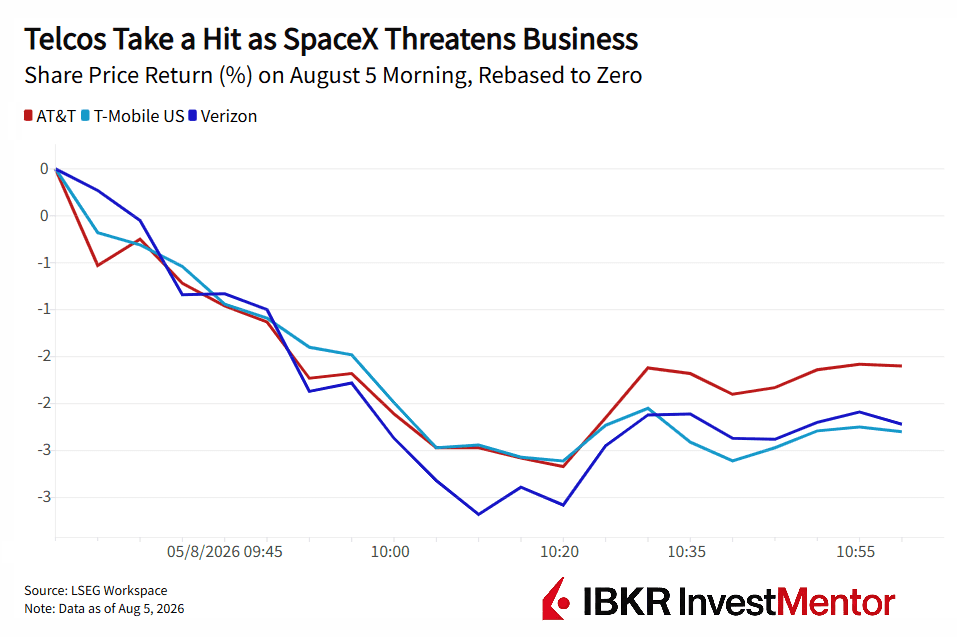
Now it wants a larger target: mobile operators. President Gwynne Shotwell said Starlink expects to win customers from AT&T, T-Mobile and Verizon, using ground infrastructure alongside satellites to create a “true mobile service.”
Musk sells a vision of Mars, but SpaceX is starting to look a lot more like an ordinary telecom company. Rival shares in the telecommunications sector fell after the announcement.
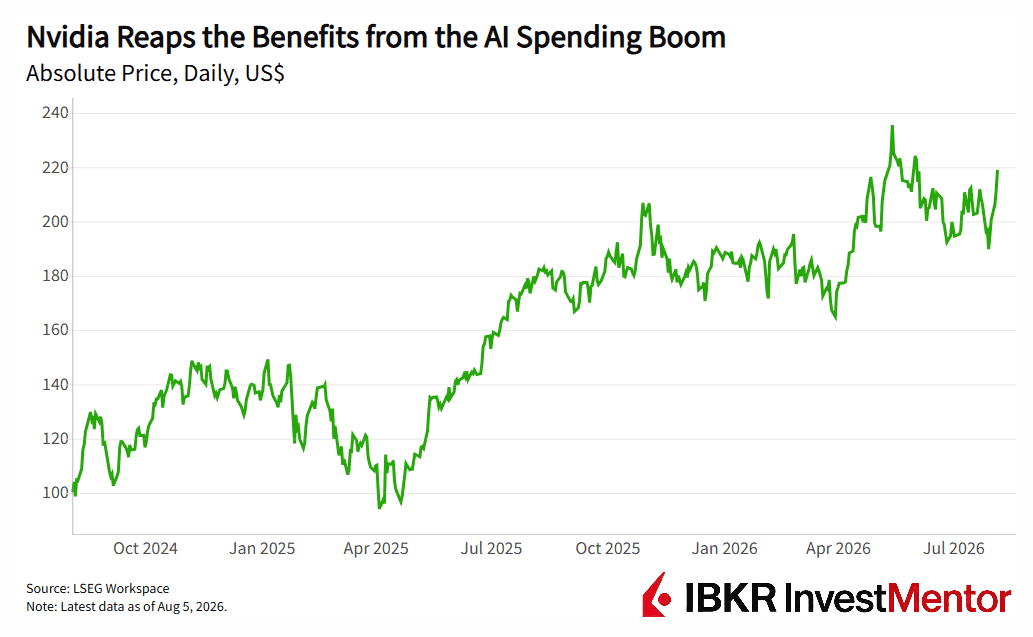
In its efforts to join the ranks of hyperscalers, SpaceX expects to operate more than 2 gigawatts of computing capacity this year and close to 10 gigawatts by the end of 2027. This means building gigantic data centers. And it plans to build that AI infrastructure exclusively with Nvidia hardware.
Nvidia CEO Jensen Huang has estimated that every gigawatt of computing capacity generates roughly $40 billion to $50 billion in Nvidia revenue. Applied mechanically to 10 gigawatts, that implies a staggering $400 billion to $500 billion hardware opportunity.
The real figure may differ because of timing, prices, and equipment. Still, SpaceX’s data-center ambitions could create a windfall for Nvidia before SpaceX proves its own AI gamble works.
Want to explore more? Download our free app to unlock expert news updates and interactive lessons about the financial world.