
Consumers
Fifa Backs Down
Unprecedented Global Backlash Kills World Cup Sale Proposal
8/3/20268/4/2026

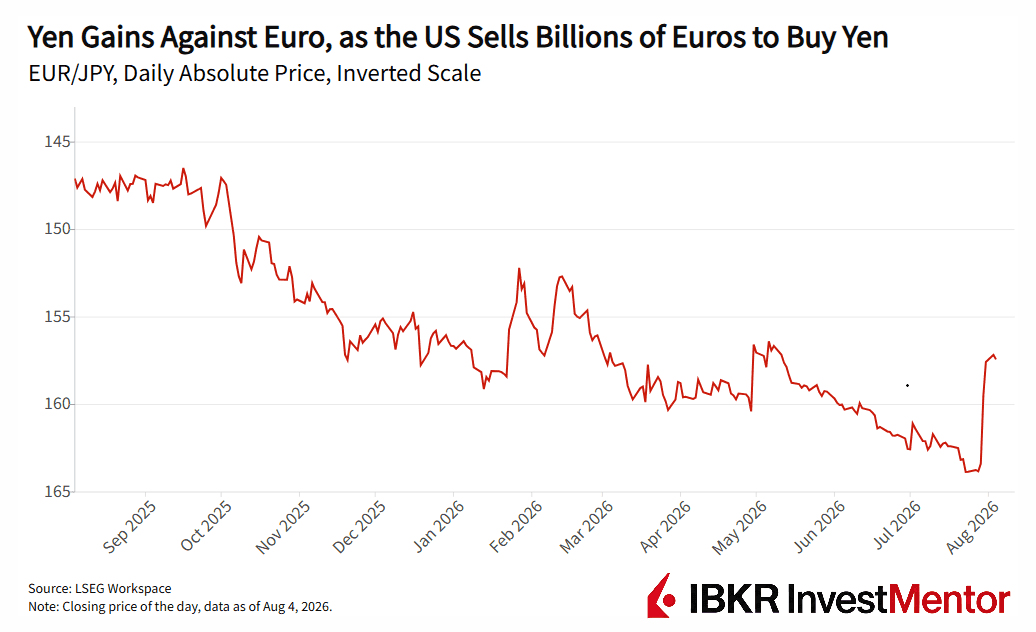
Japan confirmed a rare joint currency intervention with the US to support the struggling yen. The currency was close to slipping to a 40-year low near ¥164 per dollar but then surged 5% over three days. Japan is estimated to have spent around $88 billion in buying yen over two days.
The US has not confirmed how much it contributed, but the Treasury reportedly sold euros to buy yen. The US participating in propping up another country’s currency is unusual. Using euros, instead of dollars, is even odder.
A photographer snapped a photo of Treasury Secretary Scott Bessent carrying a note in a cabinet meeting saying: “buy Japanese Yen (JPY) $5-10 bil.”
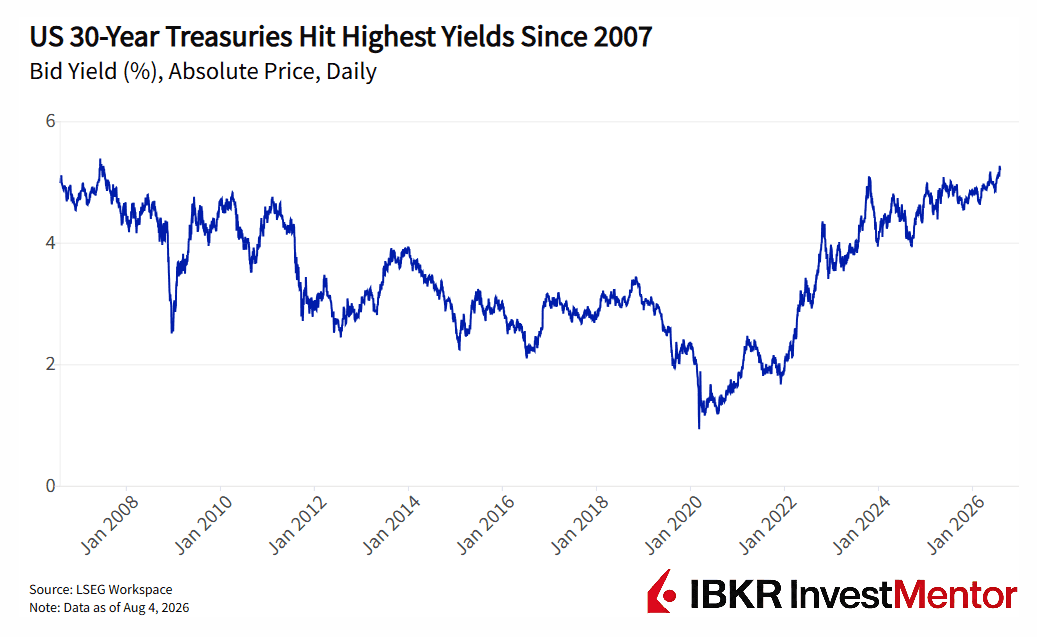
Countries usually prefer to mind their own currencies. That's why the intervention raised eyebrows.
Reasons for the team-up:
Japan's Finance Minister Satsuki Katayama said she would stand ready to step in again if needed. Scott Bessent said America would not hesitate to help.
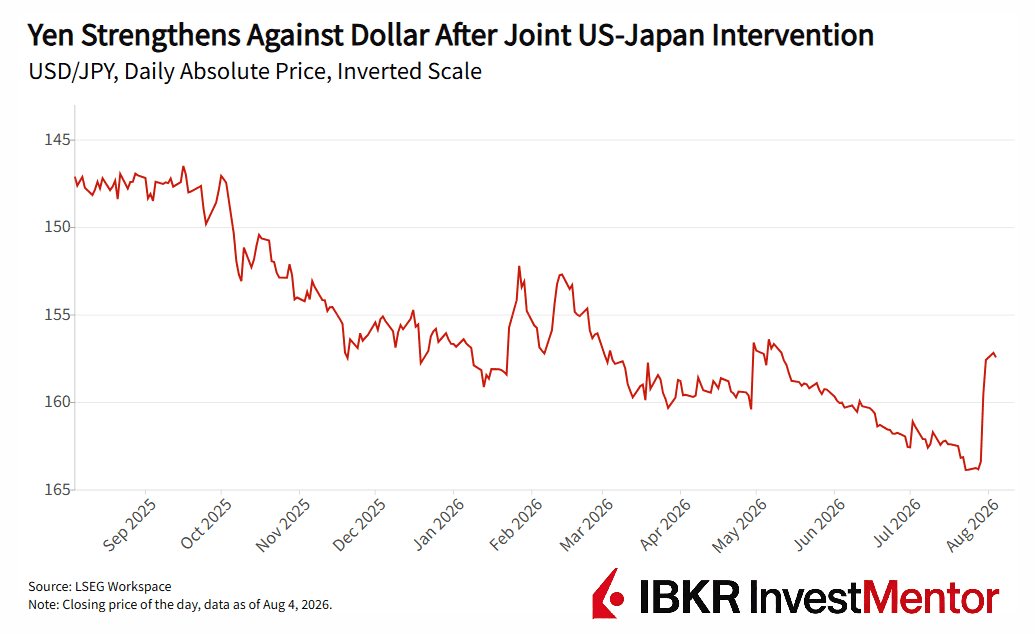
Government interventions can temporarily move markets but rarely resolve the underlying problems. The yen has been under pressure for years for a few reasons:
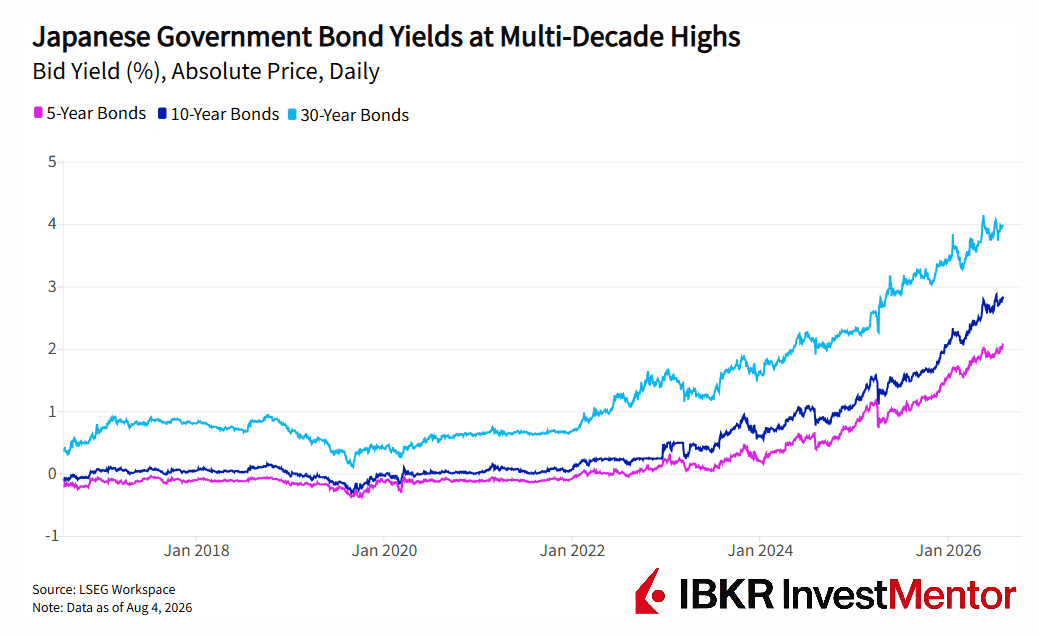
The Bank of Japan’s interest rate decision is likely to be more impactful than buying tens of billions of dollars’ worth of yen from the market. Both Japanese and US officials implied that intervention works best alongside higher interest rates. This is why investors widely expect another rate hike in the coming months.
If that happens, holding yen becomes more attractive. However, that would also raise borrowing costs at a time when the government debt-to-GDP ratio exceeds 200%, and PM Takaichi is trying to fund a historic stimulus program. Government bonds still yield less than rival countries, but they have shot up to the highest level since the 1990s.
Japan needs to figure out a way to simultaneously support the currency, stabilize its bond market, and finance ambitious spending plans.
Blatant currency interventions by governments are rare but not unprecedented. Sometimes countries even cooperate to ensure global economic stability.
Want to explore more? Download our free app to unlock expert news updates and interactive lessons about the financial world.