
Companies
Trial Trouble
The Brutal Economics Of Drug Development
7/9/20267/10/2026
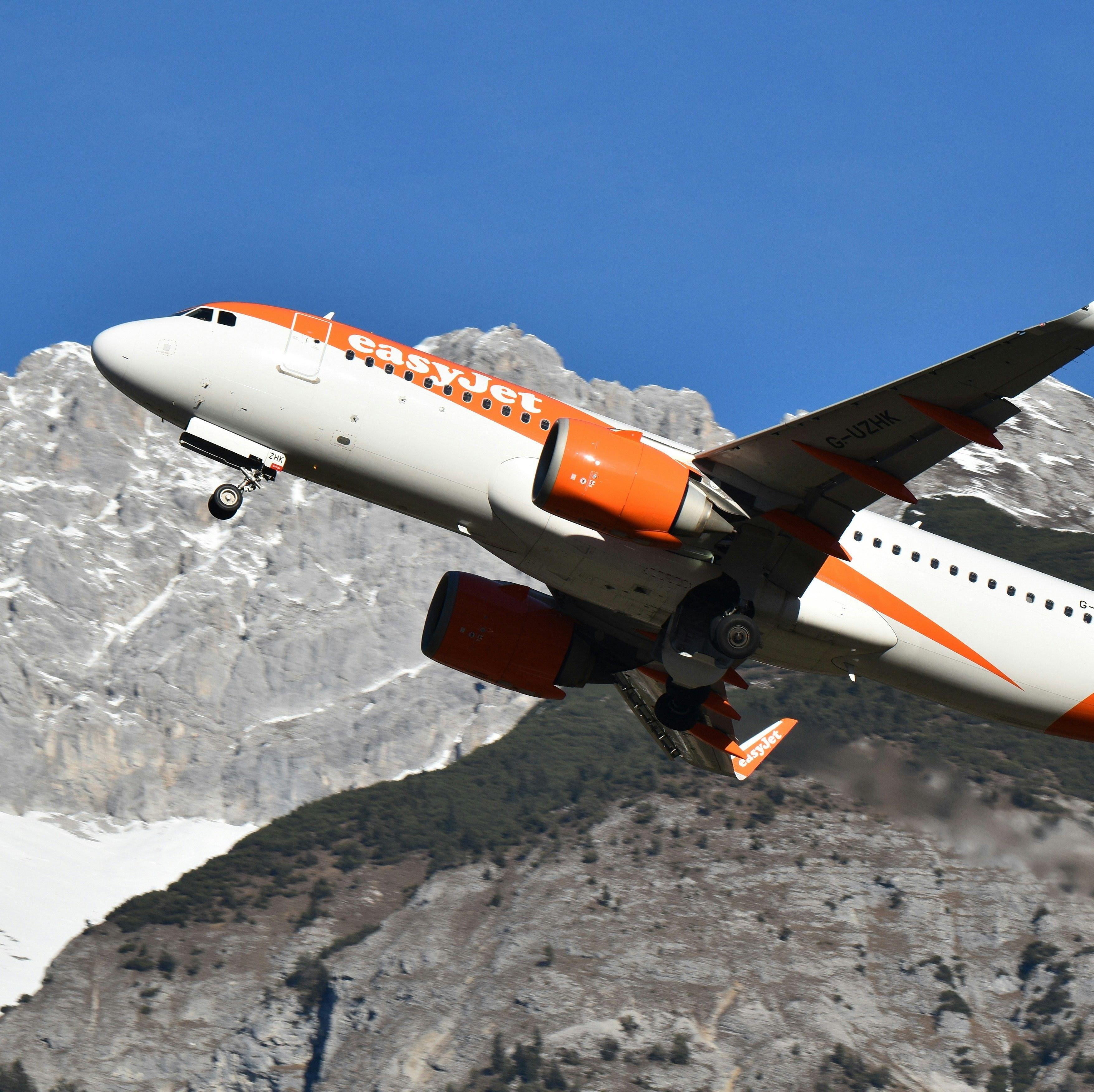
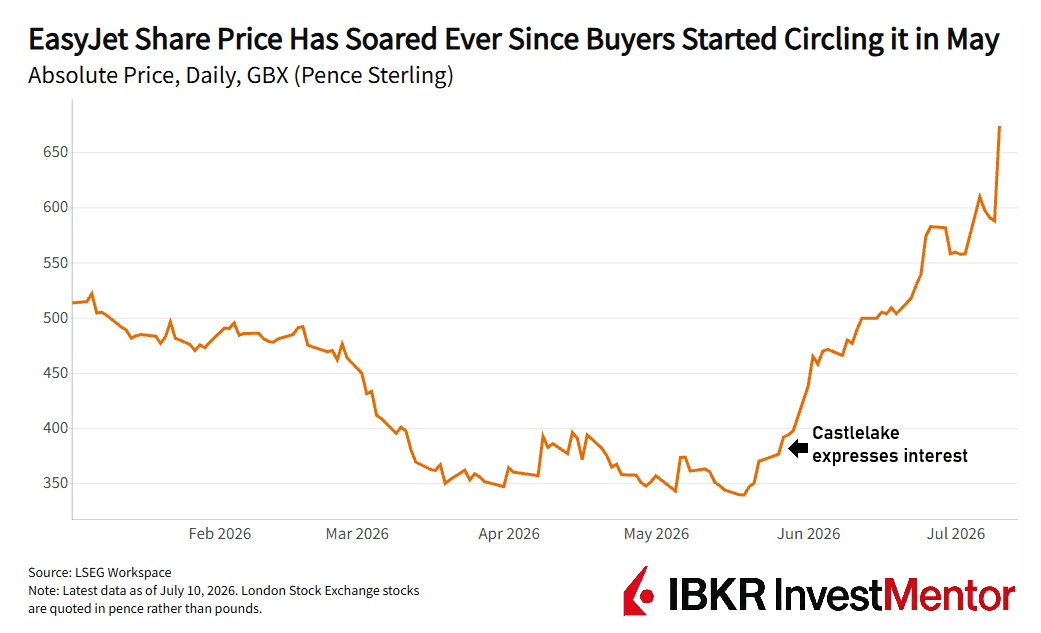
EasyJet looked destined for a £5.5 billion ($7.2 billion) takeover by private credit investor Castlelake. Then Apollo arrived with a higher offer, valuing the British budget airline at £5.7 billion ($7.7 billion). The board swiftly signaled support for Apollo's proposal, calling it the better outcome for shareholders.
EasyJet shares jumped as much as 15%, their highest level in more than four years. The stock is up more than 70% since Castlelake first disclosed its interest in May.
The intense bidding war raises a question: Why are multiple deep-pocketed buyers willing to pay such an extreme premium for a troubled carrier during an oil shock?
The aviation industry has had a difficult few months. The Iran war triggered what the International Energy Agency has described as the worst oil shock in history. This makes some airlines potentially attractive takeover targets as valuations are under pressure.
Jet fuel prices doubled at the start of the conflict but have since come down. In the week ending July 3, prices were still 32% higher than a year earlier, according to aviation lobby group IATA.
Fuel shortages have so far not materialized in Europe for major airlines, despite warnings. Imports from the US and Nigeria, as well as boosted output from Spanish refineries, have filled the gap left by the Gulf oil.
This all comes on top of a difficult couple of decades. A series of shocks has turned the aviation sector into one of the toughest to invest in.
EasyJet's deal would be a leveraged buyout (LBO), a takeover funded largely with borrowed money. That makes Castlelake an unusual bidder. It is best known as a private credit investor, making loans and financing deals rather than buying airlines. Traditionally, a firm like Castlelake would help fund a takeover, not lead one.
But alternative asset managers increasingly operate across both private equity and private credit. Apollo is a prime example, combining a buyout business with one of the world's largest private credit platforms.
One Apollo fund could own EasyJet, while another could help finance the deal. Those funds are separate and have different investors, but regulators would still want to ensure the arrangements are fair. Private credit has hit a rough patch lately, with many funds limiting how much money investors can withdraw each quarter.
A take-private deal removes a company from the stock market. The buyer offers cash to shareholders and, if enough investors agree and regulators approve, EasyJet leaves the London Stock Exchange after more than 25 years as a public company.
But there are still hurdles to clear. European airline rules generally require carriers serving the European market to remain majority-owned and effectively controlled by European interests. Both Apollo and Castlelake are American companies.
Regulators will examine:
Want to explore more? Download our free app to unlock expert news updates and interactive lessons about the financial world.