
Tech
Oracle of AI
Oracle Anxieties Ripple Across AI Sector
12/11/202512/11/2025
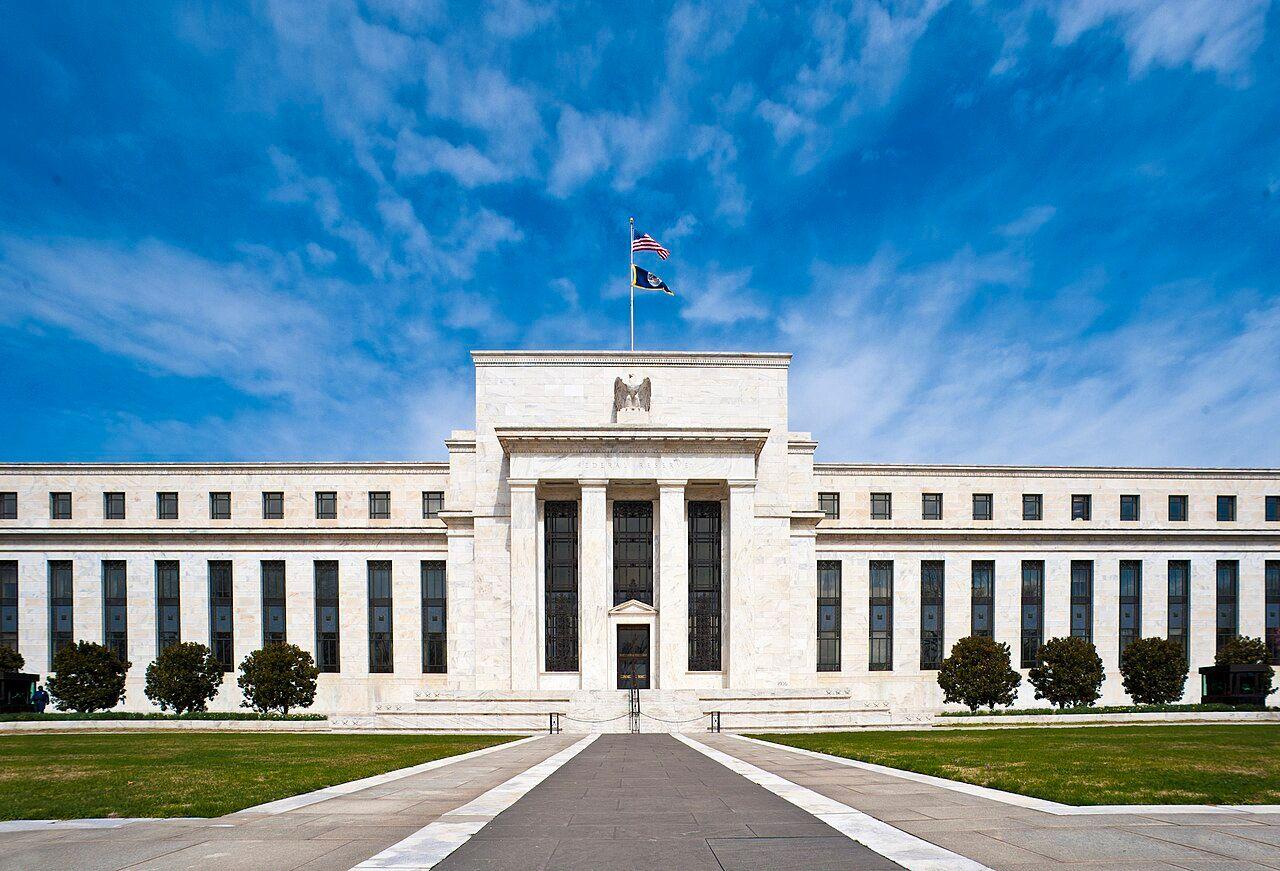
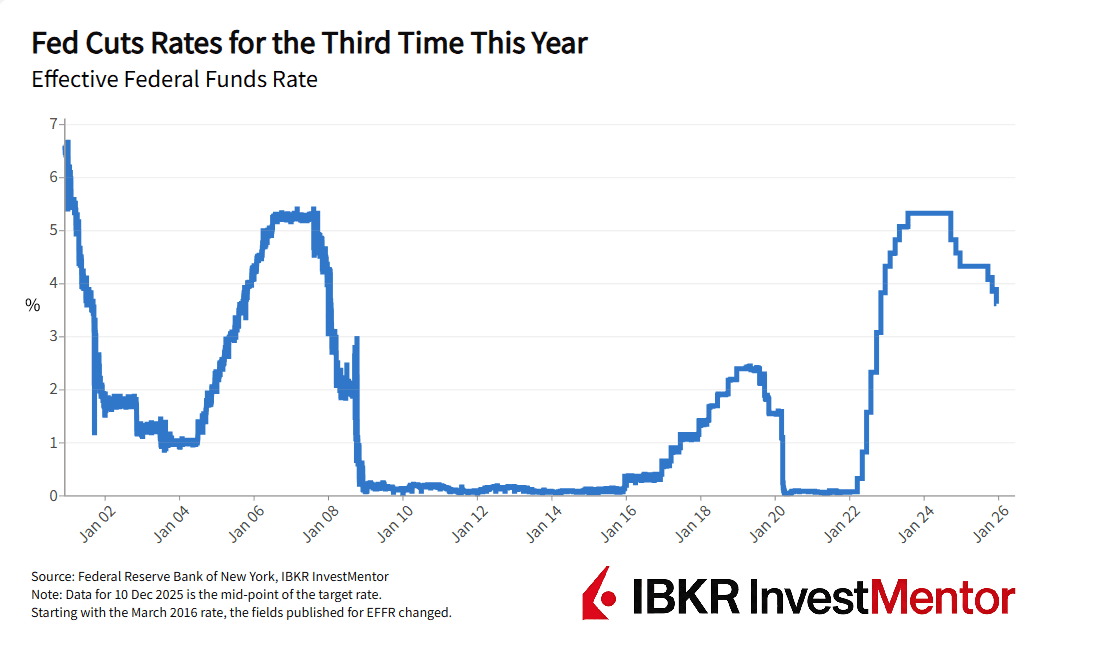
The Fed delivered another 25 basis point cut on Wednesday, lowering the target range to 3.50%–3.75%, as most investors expected. But the bigger issue is the fractured committee behind the call.
Fed policymakers disagree on which of the central bank’s mandates, promoting stable prices or maximum employment, is more under threat. Committee members' projections on interest rates for the next three years diverge sharply. When the Fed cannot present a unified view, its forward guidance loses power.
For investors, that means less clarity and more volatility.
The Federal Open Market Committee (FOMC) decided to cut rates, with the vote split 9-3, and projections for future policy even more scattered. Chair Jerome Powell described the meeting as a “close call”, adding that he could have made “a case for either side”.
The 43‑day government shutdown this fall delayed key inflation and labor data, leaving the Fed with a foggy view of the economy. That uncertainty deepens internal divisions:
Jerome Powell’s term as the Fed chair ends in May, making it even trickier for investors to gauge the policy path.
President Donald Trump is preparing to name a successor, with some potential candidates popping up in media reports repeatedly:
A divided committee, patchy data, and a pending leadership battle all reduce the Fed’s ability to anchor expectations.
That raises the odds of sharper swings in bond yields, rate‑sensitive equities, and currencies as investors react to each new data point. Long‑duration assets become more sensitive, and the risk of policy “whiplash” increases if small surprises shift the balance between hawks and doves.
In this environment, forward guidance becomes less of a map and more of a weather report.
With Jerome Powell’s term ending in May, the White House is weighing candidates to lead the US monetary policy. Each brings a different lens on inflation, interest rates, and market stability.
Want to explore more? Download our free app to unlock expert news updates and interactive lessons about the financial world.