
Tech
Chip Bottleneck
The AI Boom's Main Chokepoint Is in the Netherlands
10/14/2026
10/15/2026

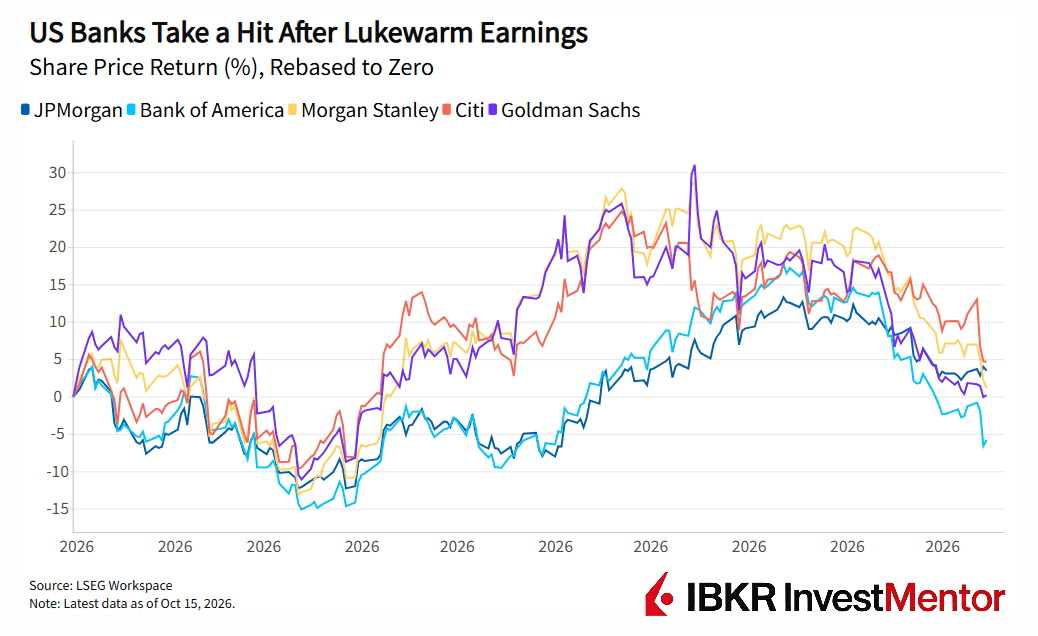
Big American banks opened the earnings season with a whimper. JPMorgan and Bank of America both missed expectations this week, while their peers saw shares dive despite decent results.
Points of interest:
Nobody can claim 2026 has lacked dealmaking. Some of the big ones include:
But this is why the slowdown in the third quarter is so noticeable. Rising bond yields, the prolonged Iran war, and volatile stock markets have made executives cautious about pursuing blockbuster transactions. Global deal value fell 41% from the previous quarter to $993 billion, dropping below $1 trillion for the first time since mid-2025.
SpaceX's June listing set a new world record, and was a huge success for bankers arranging it, even if the stocks have since trailed the listing day peak. Morgan Stanley reported a record $232 billion of new client assets in the third quarter, with more than half tied to IPO-related flows. The bank added the listings driving that flow happened in the second quarter between April and June.
Yet the new IPO pipeline has slowed down. Several data-center companies have delayed offerings, while OpenAI continues to wait on the sidelines. Another AI juggernaut, Anthropic, is still expected to go public in November, after a minor delay. That could potentially eclipse SpaceX with a $2 trillion valuation, but only if investors are willing to pay that price tag.
Volatile markets kept Wall Street's trading desks busy as investors reacted to higher interest rates, geopolitical shocks, trade war updates, central bank moves, and swings in AI-related stocks. Equity trading soared across the industry. Goldman Sachs and Morgan Stanley led the pack with rapid growth.
But bond trading struggled. Fixed-income revenue fell at several banks as rising yields hurt bond markets. Citi was the only major bank that managed to eke out a small, 4% year-on-year jump in bond trading.
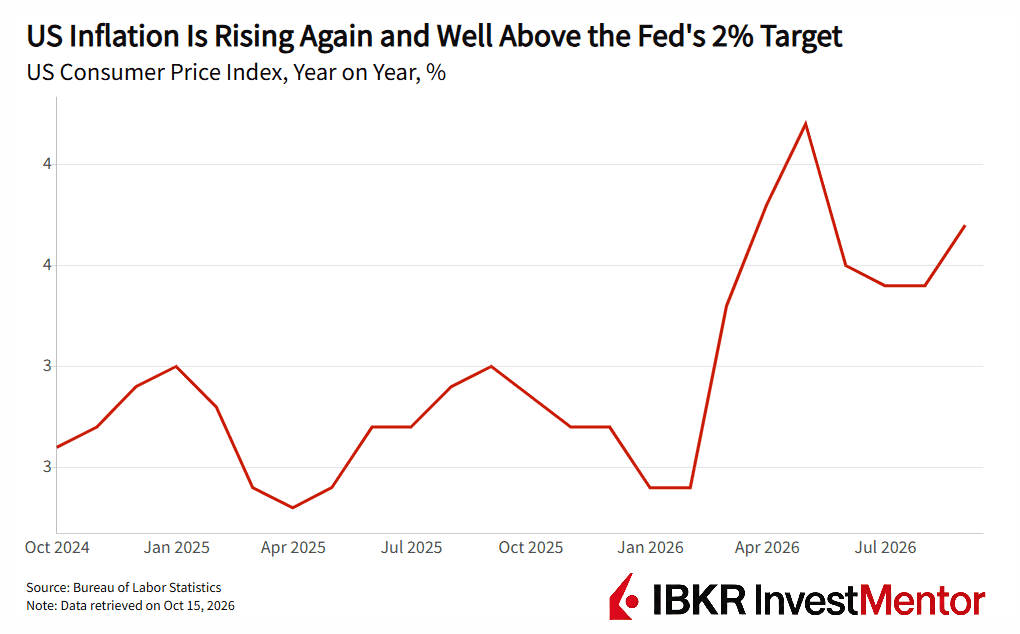
The biggest theme running through nearly every banks’ earnings call was inflation. The Federal Reserve raised interest rates in September, pushing borrowing costs even higher. In Europe, the European Central Bank has raised rates twice already since the Iran War broke out in February.
Rising rates create winners and losers. On one hand, banks can earn more from loans, boosting net interest income. On the other, higher rates place pressure on bond markets, slow down dealmaking, and make investors and consumers more nervous about the economy.
For now, people are still spending and borrowing, and loan demand remains surprisingly healthy. But inflation pressures are growing, not easing, with no end in sight to the fighting in the Middle East.