
Politics
Change of Guard
Burnham's Cost-of-Living Agenda Meets Fiscal Reality
7/21/20267/23/2026
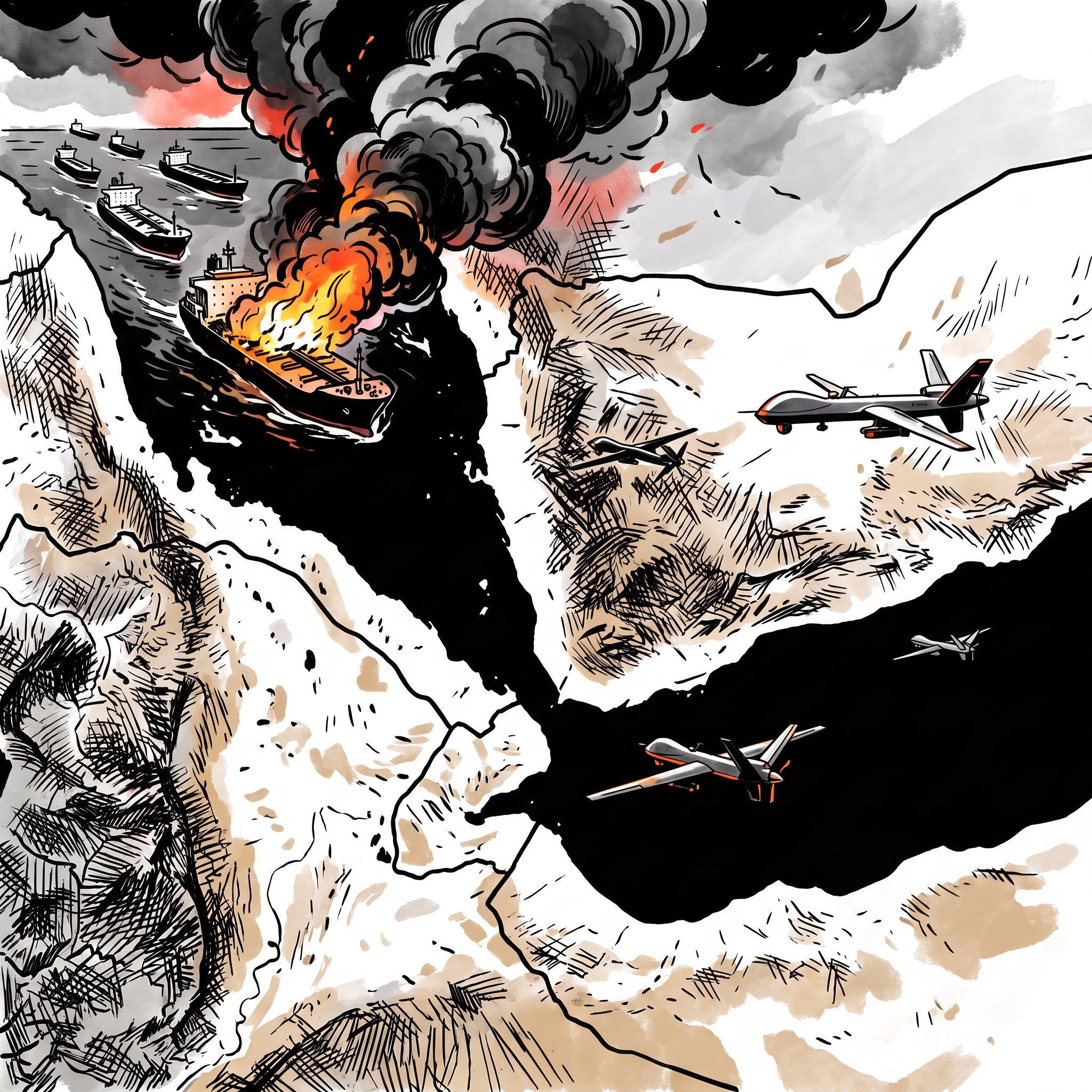
Oil traders already had enough to worry about with the Strait of Hormuz. Now another chokepoint, Bab el-Mandeb Strait, is under threat of being blocked by Iran’s Houthi allies in Yemen.
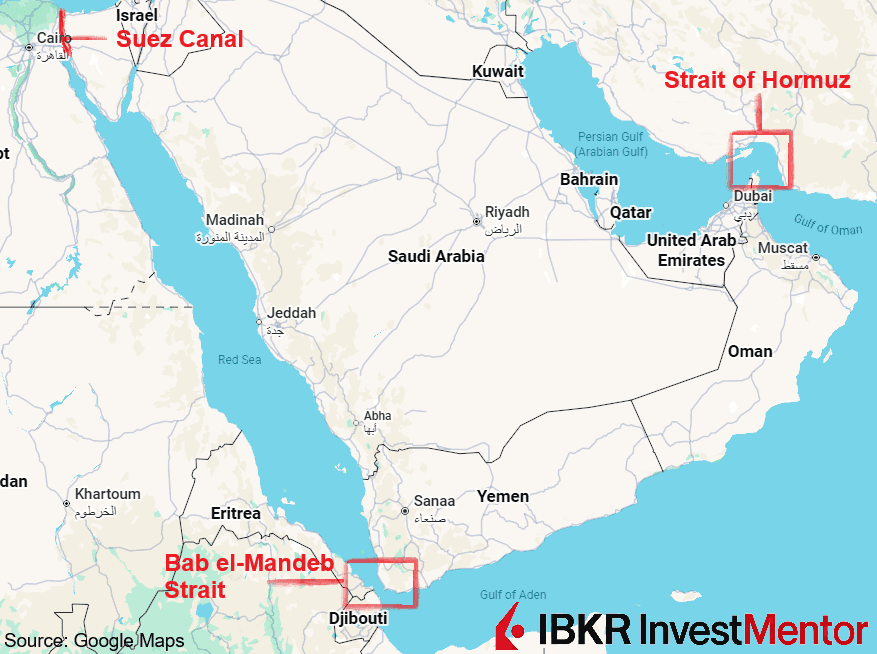
Bab el-Mandeb Strait, or the Gate of Tears, is the waterway connecting the Red Sea to the Indian Ocean. It is among the most important oil trading routes in the world and has become more critical after Iran started disrupting traffic in the more famous chokepoint, the Strait of Hormuz.
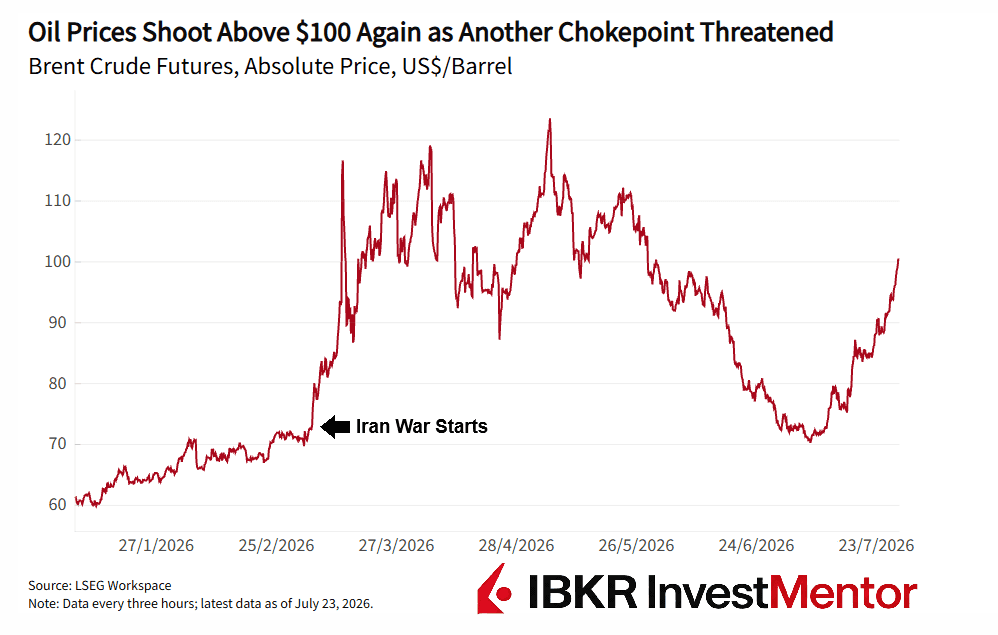
Houthi fighters said on Thursday that they’ve struck two Saudi oil tankers with missiles, after announcing a blockade targeting Saudi shipping. Oil markets reacted immediately, with global benchmark Brent crude jumping 6% to cross $100 per barrel.
Oil markets remained remarkably calm for weeks despite attacks between the US and Iran flaring up. The Strait of Hormuz continued to be disrupted, cutting off the main shipping route for Gulf oil.
So, why are the attacks on the other side of the Arabian Peninsula such a big deal then? Because the Gulf exports continued via the Bab el-Mandeb Strait. Saudi Arabia rerouted a large portion of its oil through a pipeline to the west coast and shipped it in tankers through Bab el-Mandeb. This is one reason why oil was trading under $100 for so long, despite the war.
If that strait gets blocked too, the Saudis could use the Suez Canal in the north, connecting to the Mediterranean. But that route is not suitable for the biggest tankers and would add a much longer detour. Most Gulf Oil customers are in Asia.
The disruption in the Red Sea is happening at the same time as Iran has been trying to reassert control over the Strait of Hormuz. Iran pledged to reopen it as part of the ceasefire deal on June 17, but things soured quickly.
Iranian forces are firing on vessels, while reports from the region describe mined shipping routes and tankers turning back. The US, in turn, has continued air strikes on Iran.
US President Donald Trump has vowed to target Iranian infrastructure, such as bridges or power plants, every time a ship is attacked. Investors fear this is starting to look more and more like a forever war.
The International Energy Agency has called this the worst oil shock ever, but it hasn’t felt like it. Yet. Inflation has crept up around the world but is nowhere near the levels seen during the Covid-19 pandemic.
Much will depend on China, the world’s largest oil consumer. In a surprise to many analysts, Chinese oil imports have plummeted during the war. In June, they hit a decade low of about 7 million barrels per day — a 40% drop from a year earlier. This is due to a mix of:
These staggeringly low purchase volumes from China have helped to keep the world from plunging into a full-blown 1970s-style oil shock and inflation spiral. But that could change quickly.
If Chinese reserves start running low, import demand could bounce back fast. Nobody outside of Chinese officials knows the exact extent of those reserves.
Right now, a supply crunch is coinciding with unusually weak demand. If China starts buying aggressively while the Strait of Hormuz and Bab el-Mandeb are both disrupted, oil prices could climb much higher.
Want to explore more? Download our free app to unlock expert news updates and interactive lessons about the financial world.