
Economy
ADP Report
Private Payrolls Rebound Modestly, Wages Hold Steady
11/5/202511/5/2025
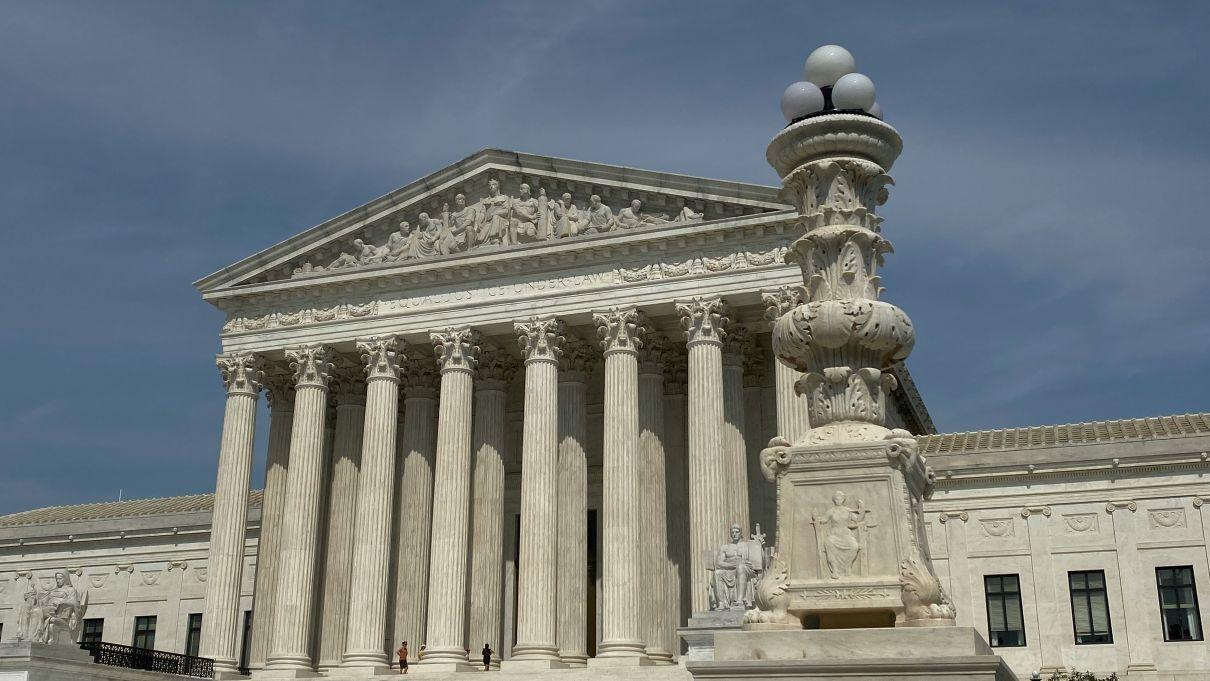
The Supreme Court is hearing arguments on whether the sweeping global tariffs set by the White House earlier this year are legal.
President Donald Trump used a decades-old emergency powers law, intended for national security, to assign tariffs to nearly all US trading partners. The court will weigh whether the law can be used for this purpose.
The ruling is set to define how much power this administration and future presidents have over the US trade.
The International Emergency Economic Powers Act (IEEPA) is a 1977 law that lets presidents take economic action during a national emergency, especially when the threat comes from abroad.
Tariffs currently begin at 10% for many countries and climb as high as 50% on imports from India and Brazil.
If the Court sides with The White House, any future presidents could slap tariffs on imports anytime. This could lead to higher prices and volatility for global markets.
The tariffs could generate $3 trillion in revenue by 2035, according to the Committee for Responsible Federal Budget.
If the Court sides against The White House, trade policy becomes steadier, but businesses might demand refunds on past duties. This sum could rack up to more than $750 billion, according to Treasury Secretary Scott Bessent.
Either way, import-heavy sectors and manufacturing stocks could feel the shock.
The US constitution grants Congress the power to tax and set tariffs. The White House argues that these tariffs are for regulating imports for national security purposes — not for the purpose of raising revenue.
Key questions for the bench:
The Supreme Court currently has a 6-3 majority of conservative-leaning judges.
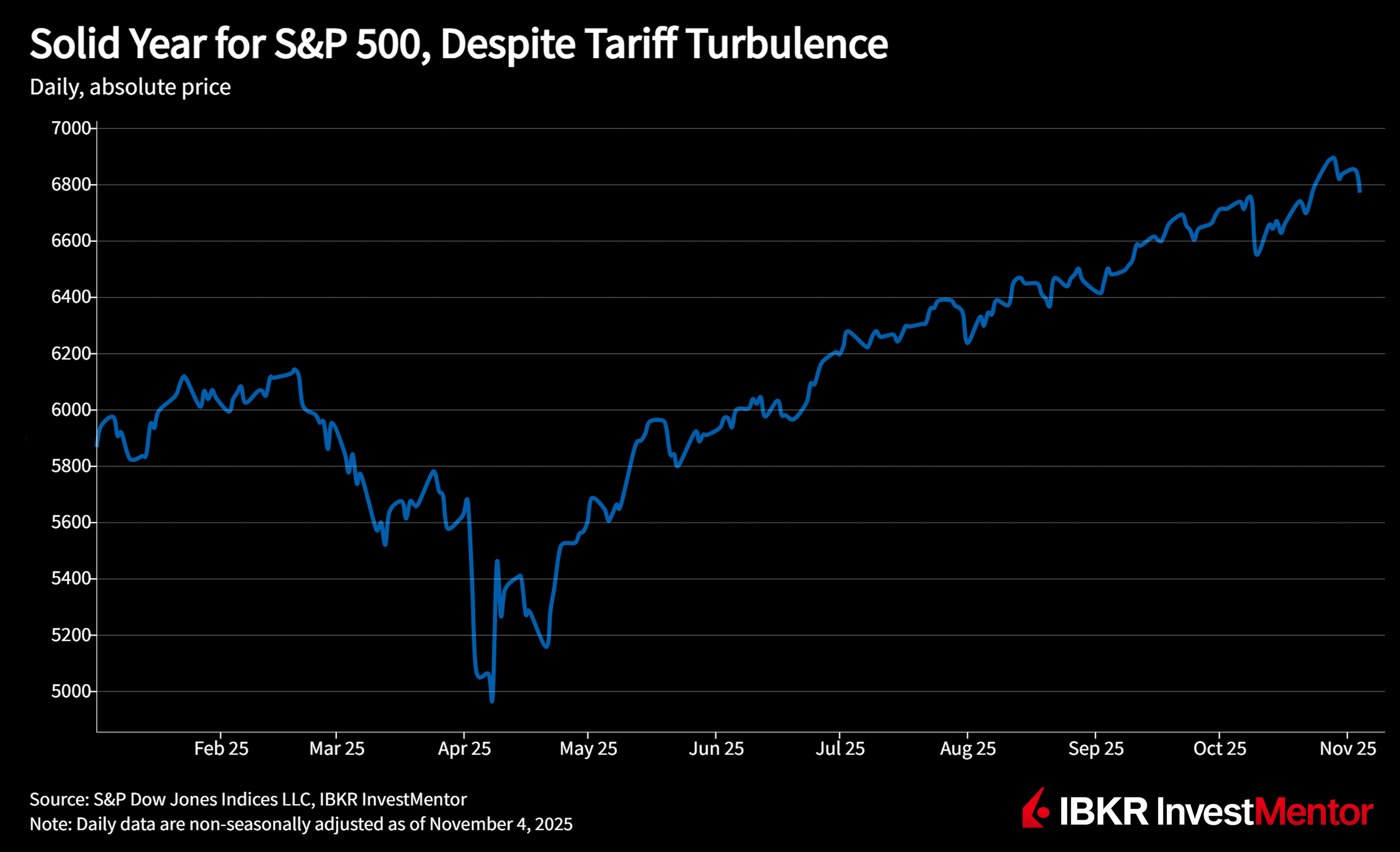
Legal rulings can move asset prices just like earnings do. So far, tariff announcements have triggered price swings throughout the year, but — overall — the US stocks have had a strong run.
The hearings just started on Wednesday. It is unclear when the court will give out its ruling.
The normal timeframe could take it to next summer, but the White House has urged the court to fast-track the decision.
Want to explore more? Download our free app to unlock expert news updates and interactive lessons about the financial world.