Economy
Fed Hawk
Warsh Rewrites the Playbook of American Monetary Policy
6/18/2026
6/19/2026
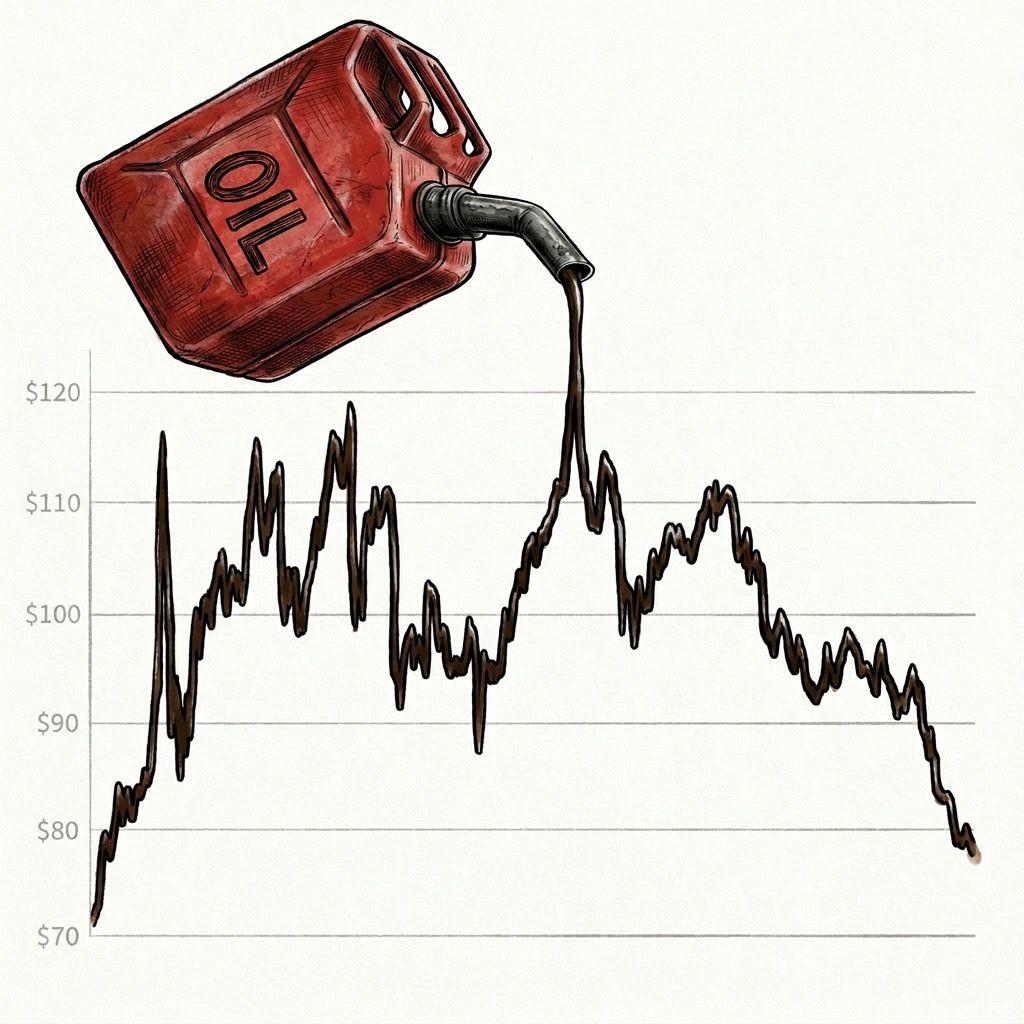
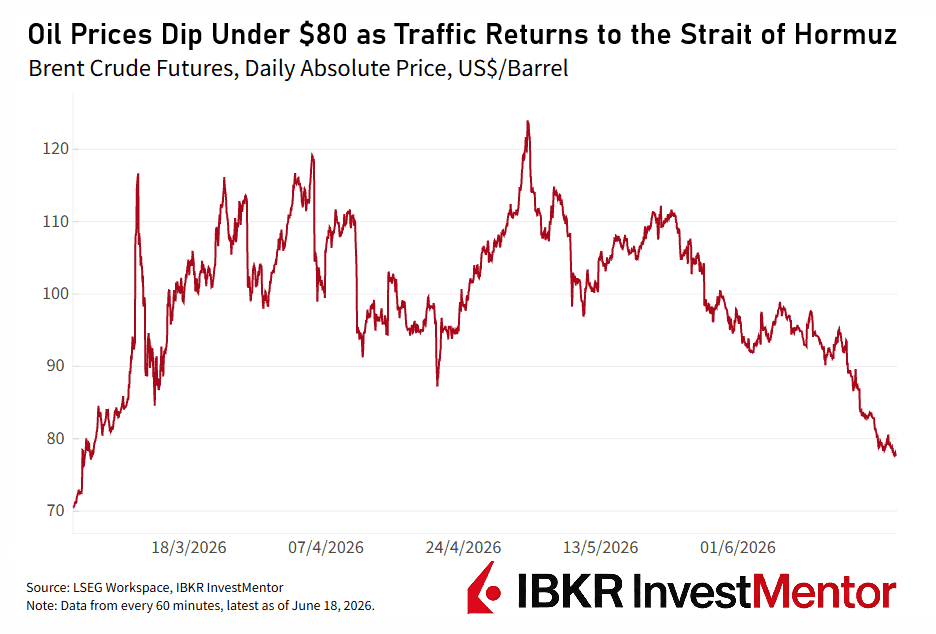
Just weeks ago, oil markets were in crisis. Prices hit $126 a barrel, the highest price in four years. The most important energy corridor, the Strait of Hormuz, was shut for traffic, and the International Energy Agency called it the largest energy shock in history.
Now the US and Iran have signed a framework for peace and some tankers have started crossing the strait despite the mines still in the water.
Brent crude, a global benchmark, is near pre-war levels, trading between $70-80 per barrel. This, even though it could still take months for traffic to normalize, and some Gulf refineries are badly damaged. This week alone, prices are down around 10%.
IEA is now warning that we could soon have too much oil. If the peace deal holds and the final treaty is signed, oil supply could surge by 8 million barrels a day next year, leading to a market glut. The demand is set to fall by around 1 million barrels this year, and then bounce back by 2 million barrels in 2027. But that would still leave a significant oversupply.
To put all this in perspective, the world consumed about 105 million barrels per day in 2025.
The Gulf producers will gradually restart dormant oil fields and refineries, with Saudi Arabia saying it could be fully up and running in just three weeks. Iran, a top 10 producer, is now also allowed to enter the market. United Arab Emirates, which left oil cartel Opec during the war, intends to ramp up production now that it’s free of Opec’s production limits.
At normal times, about 20% of the world’s oil and liquefied natural gas travels through the Strait of Hormuz. During the war, this channel was cut off, depriving the global markets — especially Asia — of badly-needed supply. IEA chief Fatih Birrol said the shock removed more barrels from the market than the 1970s oil shocks and Russia’s 2022 invasion of Ukraine combined.
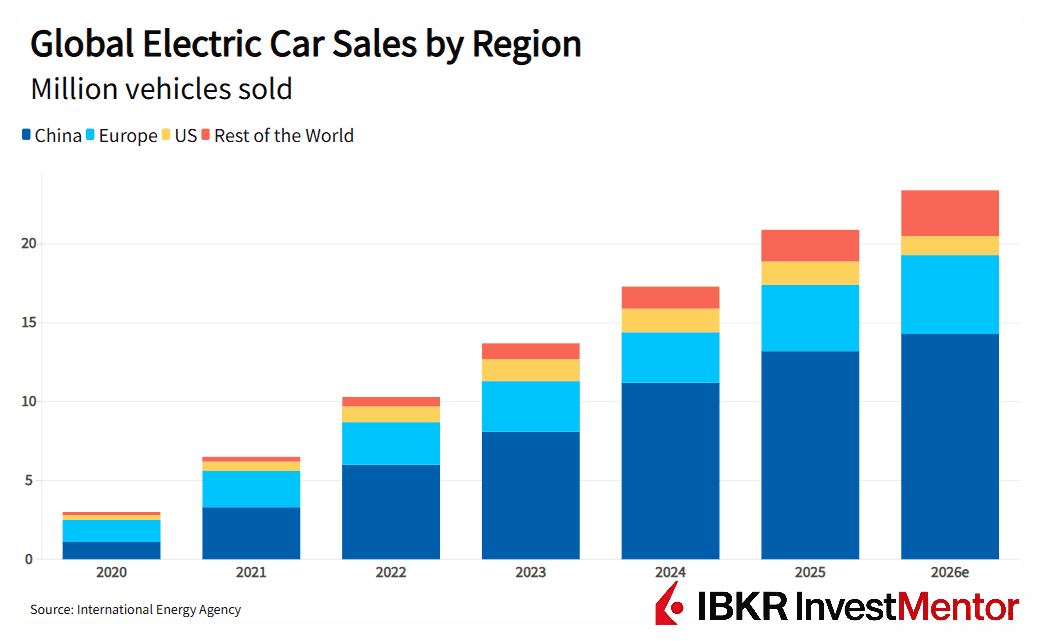
But countries adapted. Governments encouraged energy rationing, working from home, and public transport. The Philippines even announced a temporary four-day work week. Some countries increased coal and nuclear power usage. In the long term, regional grid-sharing schemes and electric car sales may receive a boost.
This all could lead to the first drop in global oil consumption since the pandemic year 2020.
Earlier in the war, all 32 members of the International Energy Agency agreed to release a record 400 million barrels from strategic reserves. That’s more than double the release after Russia’s 2022 invasion. Even so, that only covered a few days of global demand.
Regardless, these reserves are now depleted. Oil stocks in OECD countries have fallen to their lowest level since 1990, according to the IEA.
This is why an oil glut in 2027 may be good news. This could “provide a welcome respite to the market and an opportunity to replenish depleted inventories, or to build new strategic reserves, as countries review their energy strategies,” IEA said in its monthly report.
So, if we’re about to flip from an oil crunch to a glut, what’s going to happen to the prices? In the short term, returning supply will go into refilling depleted reserves, not flooding the market. That should steady prices, even as more barrels come back online.
But once those tanks are refilled, markets may adjust to a world that is a little less reliant on oil. Iran could shut down the strait again within days, so countries will have to be prepared for that.
In China, electric cars accounted for a record 60% of all new cars sold in April. The war may have unintentionally pushed the world towards low-carbon forms of energy and transportation.