Economy
HK Tragedy
Fatal Flames Expose Risks in Hong Kong Property
11/27/202511/28/2025
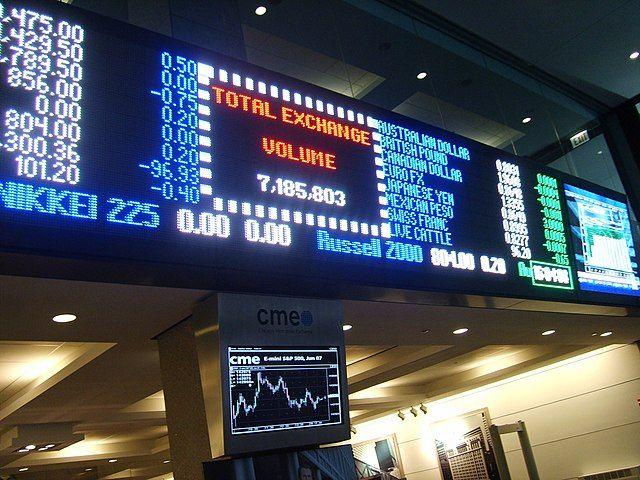
A cooling issue at CyrusOne data centers froze CME Group’s platforms for up to 11 hours, disrupting derivatives trading in foreign exchange, commodities, treasuries, and stocks. Benchmarks for oil, gold, and the S&P 500 futures stopped updating, leaving traders staring at frozen screens.
Brokers pulled products or relied on internal estimates, with much of the trading stopped altogether.
The outage showed how global markets depend on fragile tech infrastructure, particularly data centers.
CME Group, headquartered in Chicago, is the world’s largest exchange operator by market value and a cornerstone in the global financial infrastructure. It runs four major derivatives exchanges, handling on average 26 million contracts daily.
The CME glitch froze trading across a huge range of futures and options, and halted the EBS foreign exchange platform, which handles about $60 billion of trades daily.
Why this matters: These contracts help businesses and investors hedge, speculate, and set prices daily. US stock index futures, for example, are heavily traded before the market open. On Friday, traders had to gauge sentiment from index‑tracking ETFs instead.
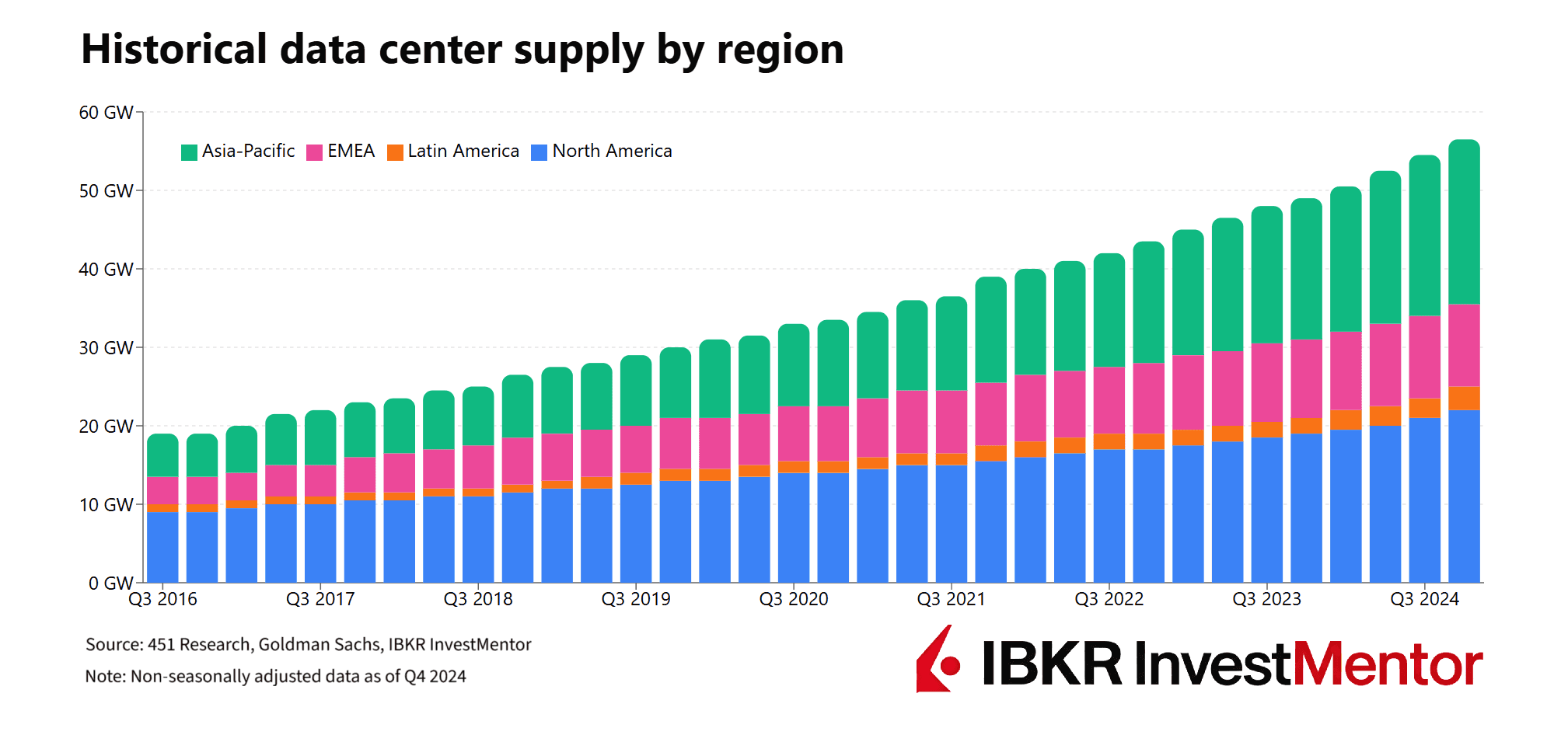
The digital economy runs on data centers. They power trading, payments, AI, and streaming. The CME outage proved how a simple cooling failure can ripple across finance.
As the build-up accelerates, reliability is increasingly in focus:
CME has faced outages before: in 2014, agricultural contracts were halted. In 2024, London’s LSEG and Switzerland’s SIX exchange also suffered interruptions.
This time, the outage occurred early hours after the Thanksgiving holiday in the US. Even before the glitch, the trading day was going to be a quiet one, with unusually low trading volumes limiting the impact.
The outage coincided with the year’s biggest online shopping bonanza Black Friday, a period of unusually high online activity.
Want to explore more? Download our free app to unlock expert news updates and interactive lessons about the financial world.