
Companies
Handle With Care
Risks Lurking Inside Private Credit Boom
3/11/20263/13/2026
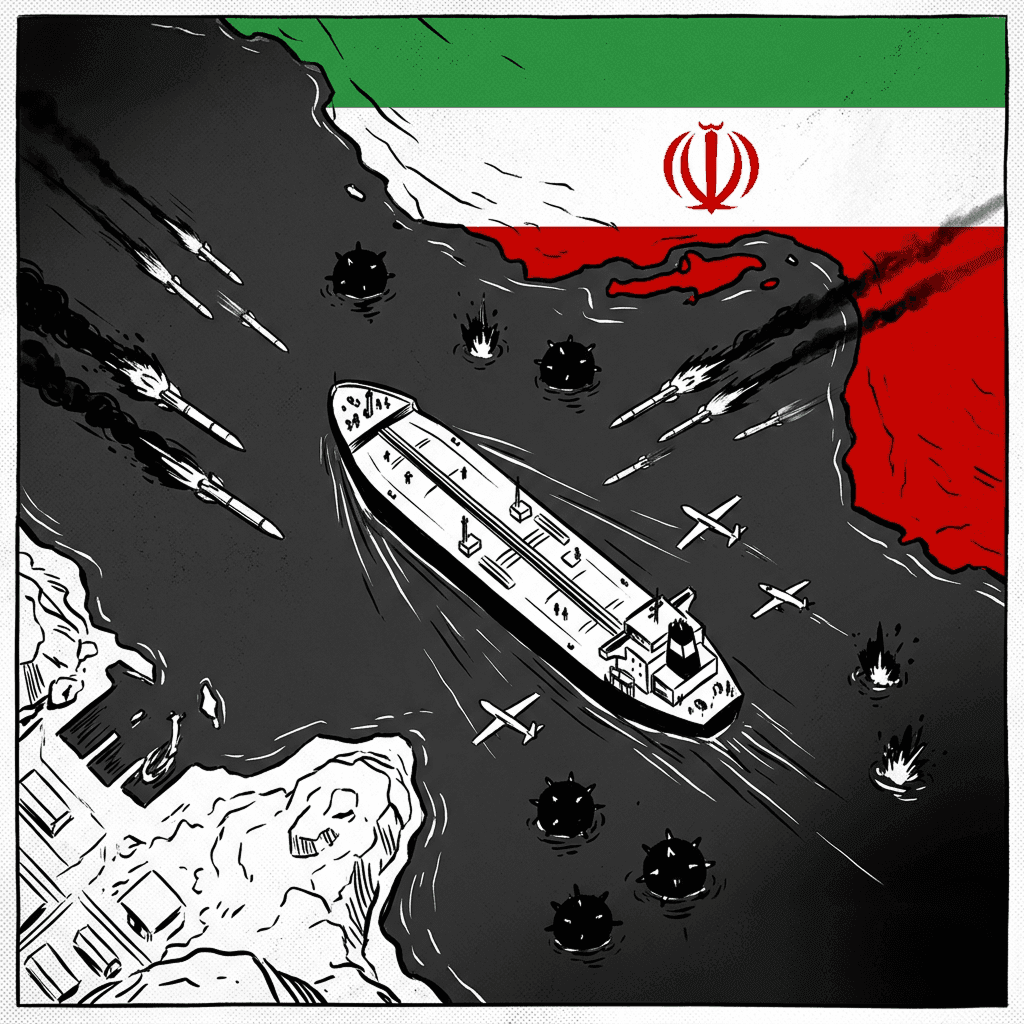
The Iran War is disrupting the global oil and gas flows in ways not seen in decades, if ever. The International Energy Agency calls this oil shock the “largest supply disruption in history.”
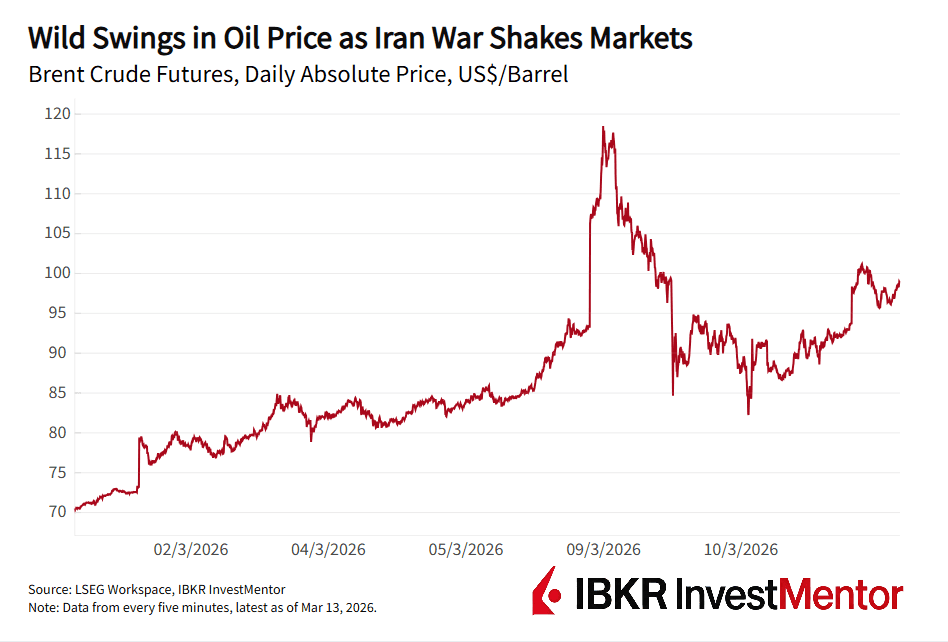
President Donald Trump said the US will hit Iran “very hard” in the coming days, despite describing the war earlier as “complete”. Iran is attempting to maximise the oil price spike, threatening to push it all the way to $200 per barrel. Crude oil benchmark Brent has never even come close to crossing that threshold before.
Iran has effectively blocked the Strait of Hormuz, a shipping route that moves a fifth of the world's oil and liquefied natural gas in normal times. Prices have swung wildly this week, briefly nearing $120, and whipsawing around $100 on Friday.
Washington has eased its approach to Russian oil as the conflict widens and prices soar. Before the Iran war, Russian oil was under strict global sanctions due to its 2022 invasion of Ukraine.
But now, the US has granted a 30‑day waiver that allows countries to buy Russian oil already in tankers at sea. This impacts about 100 million barrels, roughly one day's worth of global demand.
Any further easing of sanctions could help cool prices but also complicate efforts to limit Moscow’s own wartime revenues.
Investors are holding onto hopes of a short war and are also pricing in the use of emergency oil reserves. The IEA announced on Wednesday that its 32 members would release a record 400 million barrels over the coming months.
Saudi Arabia’s oil giant Aramco says it can reroute about 70% of its exports through the Red Sea, but warns the conflict could have “catastrophic consequences” if it drags on. Several oil facilities have been hit with missiles or drone attacks, and Gulf producers are cutting output as storage fills. Restarting paused production could take months.
Oil shocks can shift economic power between nations.
Want to explore more? Download our free app to unlock expert news updates and interactive lessons about the financial world.