
Politics
US Reopens
Shutdown Ends But Washington Gridlock Continues
11/13/202511/14/2025
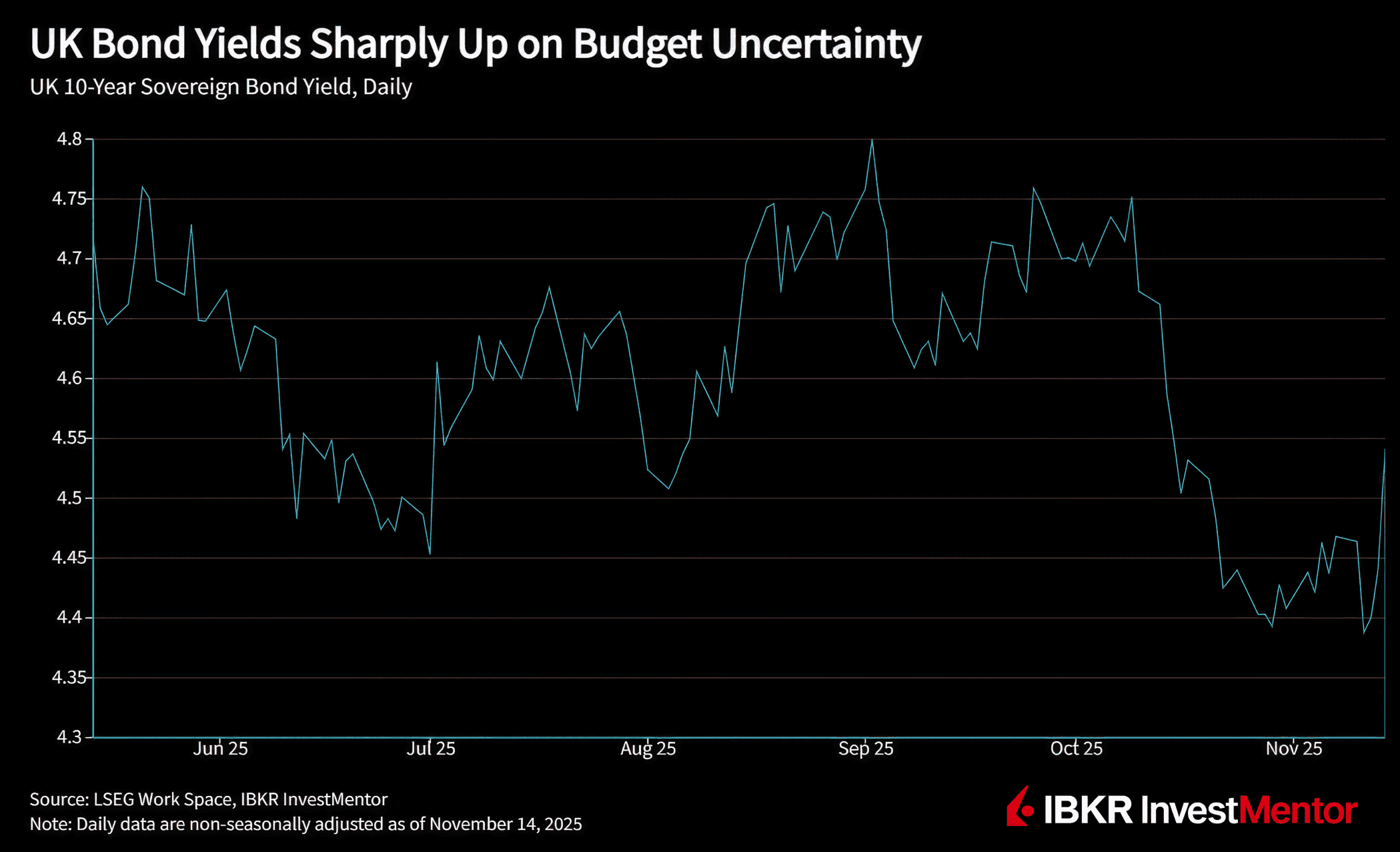
The UK government is expected to drop plans to raise income tax rates in the November 26 budget.
Markets had assumed Chancellor Rachel Reeves was preparing to raise rates after refusing to rule it out, warning “we must all contribute.” But on Friday, government sources briefed media that better‑than‑expected forecasts meant tax hikes were unnecessary — a message investors met with scepticism.
Raising the basic rate of income tax has been avoided for half a century, because politicians see it as a fast track to a ballot box wipeout. Reeves was signaling readiness to break the taboo — before stepping back.
The latest U-turn left investors asking how the government plans to balance the public coffers.
UK politicians frequently hint at difficult policy choices or leak proposals to the media, from tax hikes to spending cuts, only to retreat if the backlash is too strong.
Pre-budget signalling is a strategic tool: it lets ministers test public and market reactions without committing.
Income tax hikes, pension reforms, and fuel duty changes have all been floated and then dropped in past cycles.
This can backfire. U‑turns may briefly placate voters but spook markets and erode trust in the economy
Gilts are British sovereign bonds — the IOUs government sells to raise money. Investors buy them, and in return the government promises to pay interest and give the money back later.
Quick fact: the word “gilt” comes from the golden edge on old UK bond certificates.
In September 2022, prime minister Liz Truss and Chancellor Kwasi Kwarteng promised the UK’s biggest tax cuts since the 1970s, funded by more borrowing. Markets judged this fiscally irresponsible.
This so-called mini-budget was quickly reversed, the Prime Minister forced out of office in record time, and some of the extreme market moves reversed. But borrowing costs stayed elevated long after. Since then, British politicians have been keen to keep investors onside.
With income tax rates apparently off the table, the UK government must find other ways to raise revenue.
Want to explore more? Download our free app to unlock expert news updates and interactive lessons about the financial world.