
Economy
Fed Divided
A Divided Fed Leaves Investors Without a Clear Map
12/11/202512/12/2025
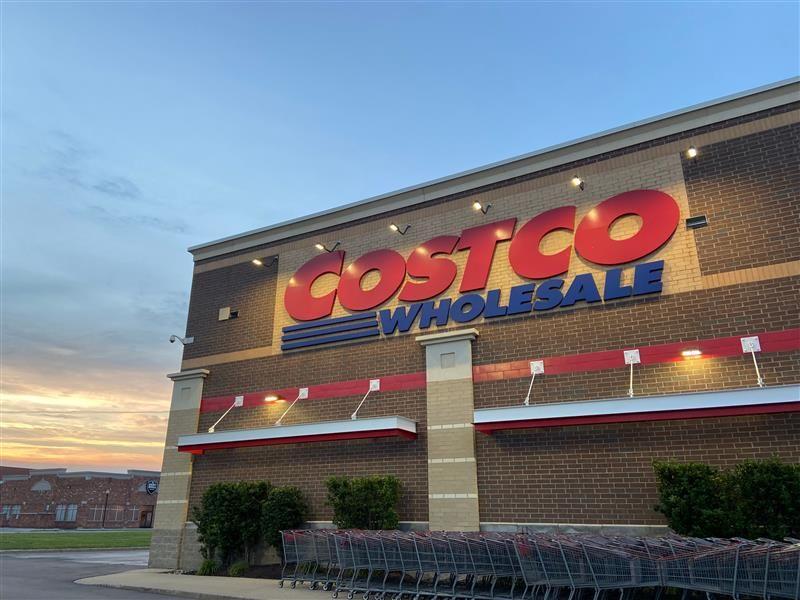
Costco’s latest earnings don’t just tell us how one retailer is performing; they offer a snapshot of a K-shaped economy in action. On one side, higher-income households are still filling carts and renewing memberships without blinking.
On the other hand, more stretched consumers are trading down, hunting for value, and leaning on bulk buying to make paychecks go further. Costco is managing to serve both, and its results show how uneven, yet surprisingly resilient, this economy really is.
Costco just delivered another strong quarter:
Traffic is rising, basket sizes are bigger, and membership keeps climbing toward 146 million cardholders globally. Holiday demand, food court/bakery momentum, and value-focused private-label (Kirkland) all helped drive the beat.
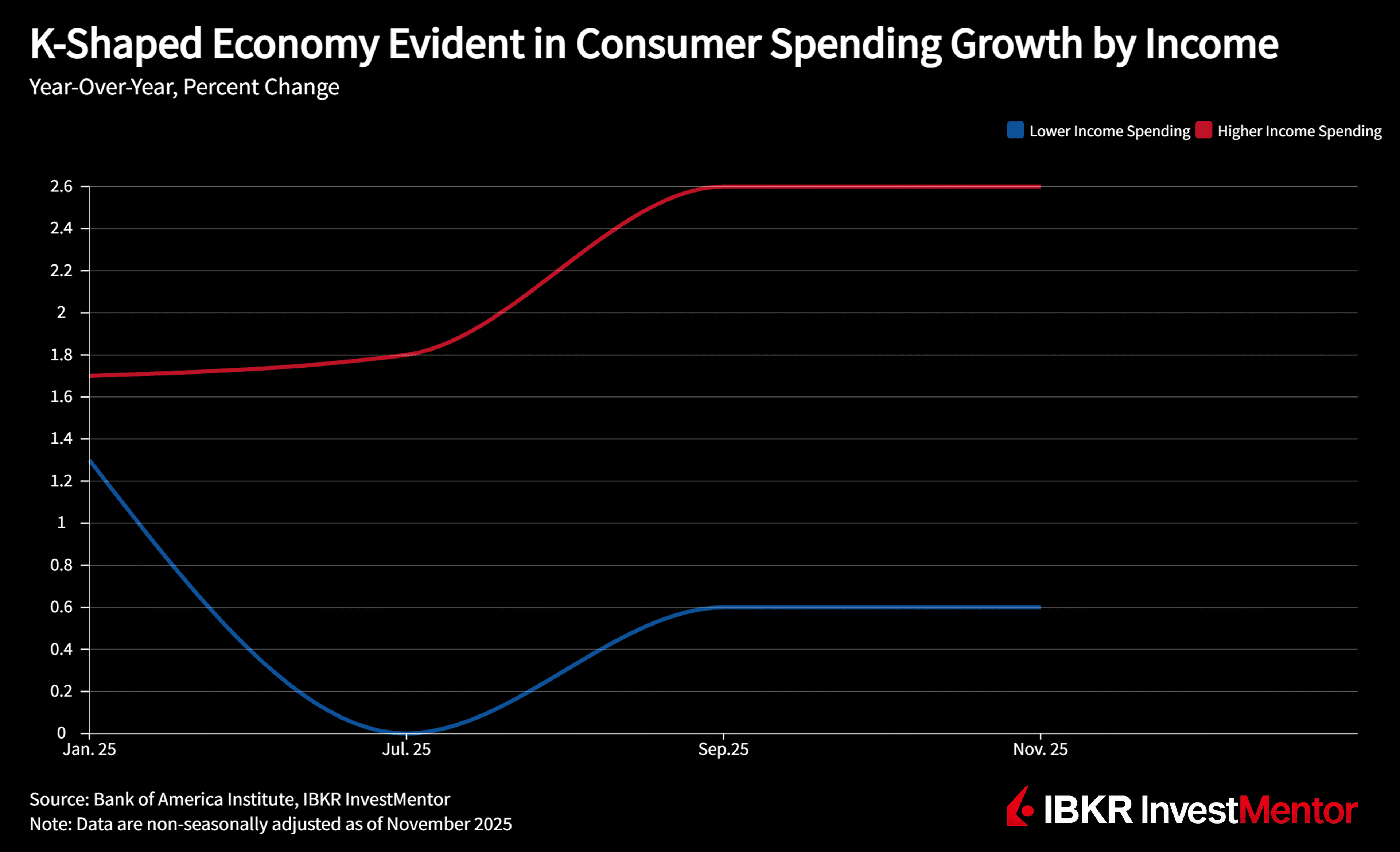
A K-shaped economy is one where different groups diverge sharply:
Recent research and card-data analysis show this split clearly: prime, higher-income consumers maintain solid spending, while non-prime and lower-income groups pull back, rely more on credit, or cut discretionary categories.
Costco sits in a fascinating spot in this story:
The upper-leg consumer is thriving at Costco
That helps explain why comps and memberships keep rising even in a choppy macro backdrop.
At the same time, a K-shaped economy often pushes more budget-constrained households to trade down:
Costco benefits from this “value migration,” even as some of those shoppers are clearly under more stress. The same macro environment that strains the bottom leg of the K can actually support traffic in value-heavy formats.
Costco’s strong earnings don’t mean everyone is doing fine. They mean:
For markets, this dynamic matters for:
Want to explore more? Download our free app to unlock expert news updates and interactive lessons about the financial world.